
How to Pay DEWA Bill Online: Step-by-Step Guide
The Dubai Electricity and Water Authority (DEWA) makes it easy for residents and businesses in the UAE to manage their utility bills through secure online platforms.
Casual puzzle games are a great way of improving focus. Puzzles like Sudoku and strategy games in general help to encourage analyzing consequences before you act on them.

Puzzle games are a great help beyond just being a hobby for yourself. They can provide a lot of focus and cognitive function too by acting as a mini-workout for your brain. These puzzles can help engage your brain and improve memory, logical reasoning, pattern recognition and more.
So whether you’re an avid puzzle player already or you’re looking to try out a puzzle or two as part of a new year’s resolution for this year, then this guide will tell you all about puzzles and how they improve focus.
Alongside games you can play online, there are also plenty of games you can play offline too, so there’s no excuse not to try out a new puzzle or two.
There are many ways in which puzzle games improve focus. These include:
By having short, 10-15 minute puzzle sessions, it can break up a day of monotonous tasks that you’re feeling demotivated from. It helps to re-energize the mind and is a good way of helping overcome those afternoon slumps that are common throughout the week, especially on Mondays.
Games like Wordle, Sudoku or a word search are great for strengthening logical reasoning and working memory. This can be a great benefit when you’re wanting to improve your concentration, especially on work-related tasks.
There’s also the ability to engage in low-stakes puzzles which reduce and lower cortisol levels, acting similarly to meditation and can quiet what can otherwise be an anxious mind. Again, another good way to improve focus.
Dopamine is a something that is worth releasing into the body as it helps to improve mood and helps maintain sustained attention too. That’s why many people love to solve puzzles as it triggers that dopamine release.
If you’re worried about your battery, then there are plenty of games that you can enjoy whilst on your phone and don’t require a huge deal of battery life
Choosing games with simple graphics, offline capability and no constant, heavy processing demands are key.
If you’re looking for some inspiration, consider these three categories:
There are lots of great choices out there to have fun when it comes casual puzzle games.
If you tend to have a phone where the battery is less than productive in holding it’s charge, then there are a few tips worth utilizing to help maximize battery efficiency as best as possible.
Games that don’t require an active internet connection to download ads or sync data, will end up consuming a lot less power.
Dark mode is a good one to use if the game supports it. A dark theme will usually use less battery on OLED screens.
Lowering screen brightness is one of the most effective ways to help save battery life while gaming.

Using games for shorter periods of time, say 10 or 15 minutes will keep your battery charged for longer, rather than playing long and sustained sessions instead.
You’ve got plenty of benefits of puzzle games beyond just the advantages to focus too. These include:
Puzzles help to engage both short-term and long-term memory. From recalling shapes, patterns and colors, these are all a great way to strengthen neural connections while also increasing mental speed too.
There are plenty of puzzles, particularly with jigsaw puzzles where you learn to visualize indiivudla pieces, fitting into a larger and complete picture. This helps to manipulate 3D objects mentally, which is useful for tasks that are packing or navigating.
Regular, lifelong puzzle-solving is linked to the reduced risk of developing dementia and Alzheimers, delaying the onset of symptoms by over two years. There’s also an increased benefit when it comes to IQ and problem-solving. Puzzles can teach you the trial-and-error approach to logic, which is helpful in improving critical thinking and strategic planning.
There’s a lot of emotional wellbeing and stress relief beneifts that come from playing puzzle games.
Solving puzzles are helpful by inducing a ‘flow state’ or a ‘meditiative like’ state. It helps in reducing cortisol levels and slowing down your heart rate too.
As mentioned, the dopamine release is something that gets released whenever we’ve accomplished something. From getting a small piece attached to a section in a jigsaw puzzle, to finishing off a crossworld. It’s a neurotransmitter that regulates motivation, mood and pleasure, leading to feelings of accomplishment.
Puzzles are also great for training the brain to delay gratification and encouraging the perseverance through frustration in order to reach a final solution.
You’ve got social and developmental benefits that are great for both adults and children.
There’s a social bonding that comes with puzzle solving in a collaborative manner with friends or family members. This helps to foster communication and build stronger relationships. Puzzles are also great for helping children develop fine motor skills, as well as hand-eye coordination and spatial awareness.
Puzzles are often used as a form of occupational therapy to help stroke patients and those with brain injuries, helping regain cognitive abilities and hand-eye coordination.
Transferrable life skills are something that are helpful for improving focus. Puzzles that require noticing small differences in shape and colour, it translates to better accuracy and fewer errors for the purpose of work-related tasks.
Casual puzzle games are a great way of improving focus. Puzzles like Sudoku and strategy games in general help to encourage analyzing consequences before you act on them. Puzzles are beneficial for improving decision-making speed and accuracy.

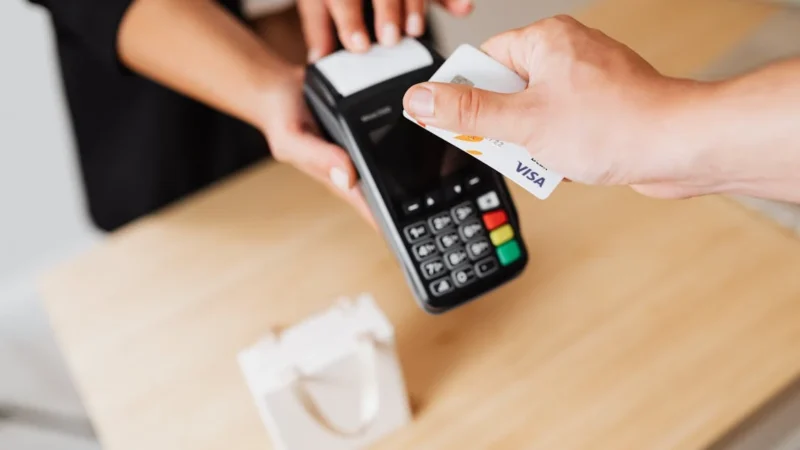
The Dubai Electricity and Water Authority (DEWA) makes it easy for residents and businesses in the UAE to manage their utility bills through secure online platforms.

iOS 26 introduces spatial scenes, a new feature that adds a 3D spatial wallpapers to iPhone, bringing photos to life when the device is moved.
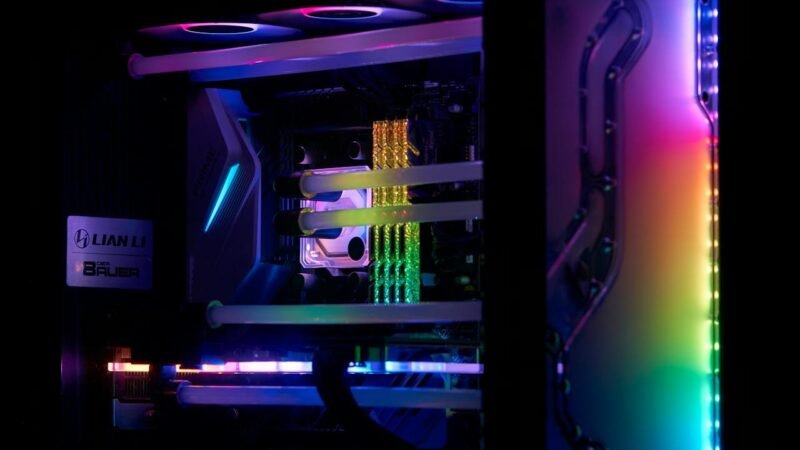
Whether you want to play The Sims 4 and load on a tonne of custom content, or you want to play as many Warzone matches in a row as is humanly possible, you’re going to need some specialized PC tech on your hands.
 Joshua James