
HONOR Middle East smartphone growth: Only Smartphone Brand Growing in the Middle East in H1 2026
HONOR Middle East smartphone growth: 35% in the Middle East in H1 2026, per Omdia, becoming the region's No. 2 smartphone brand.
The Intel Core Ultra 5 250K Plus is part of Intel's "Arrow Lake Refresh" (Core Ultra 200S Plus) family, launched on March 26, 2026 alongside the Core Ultra 7 270K Plus.
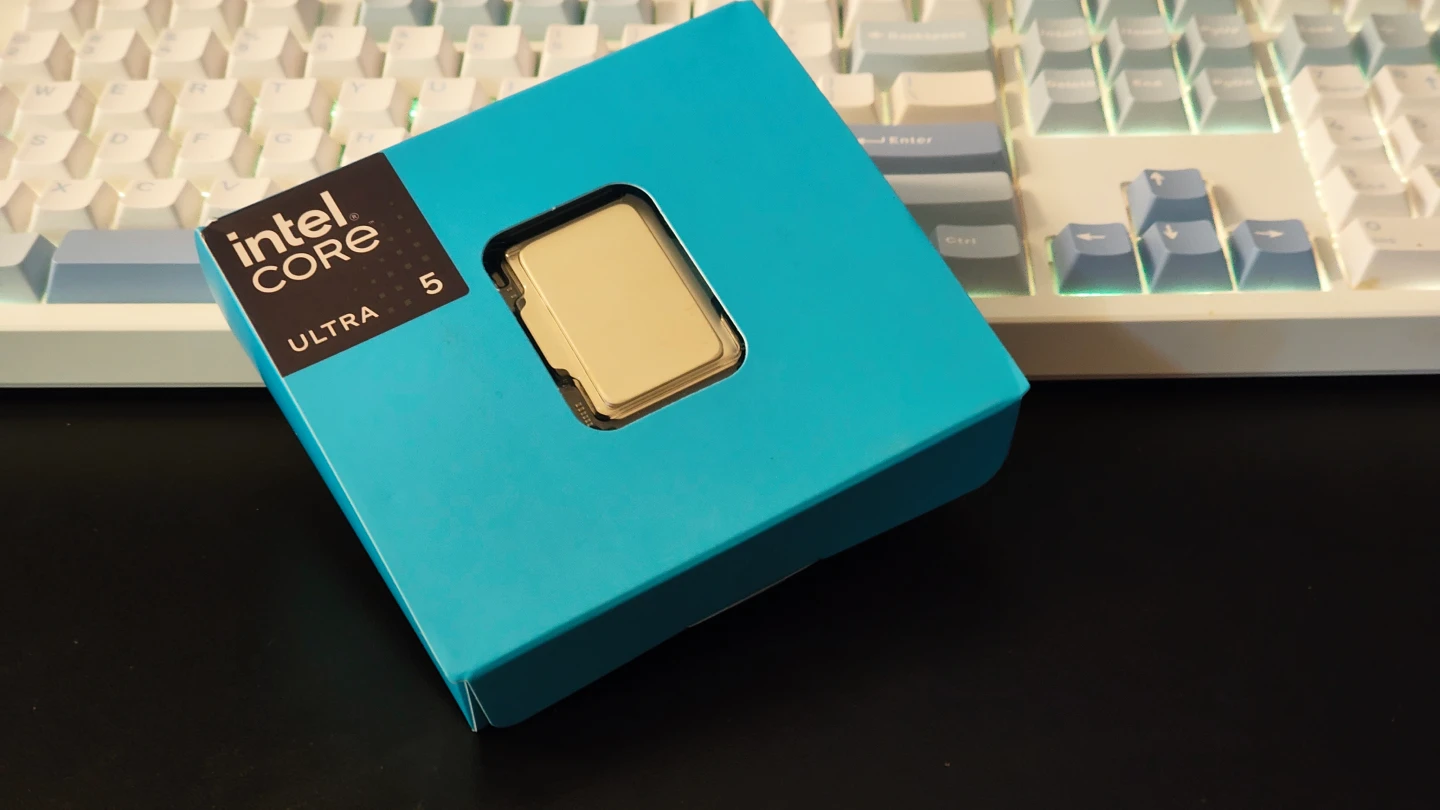
Intel’s Core Ultra 200S Plus lineup, better known as the Arrow Lake Refresh, exists to answer a question the company has been dodging for over a year: can Arrow Lake actually compete at the price points that matter most? The Core Ultra 5 250K Plus, launched at $199, is Intel’s clearest answer yet. Paired with a B860 motherboard — a chipset built for exactly this kind of budget-conscious build — it makes a compelling case as one of the best value CPUs on the market right now.
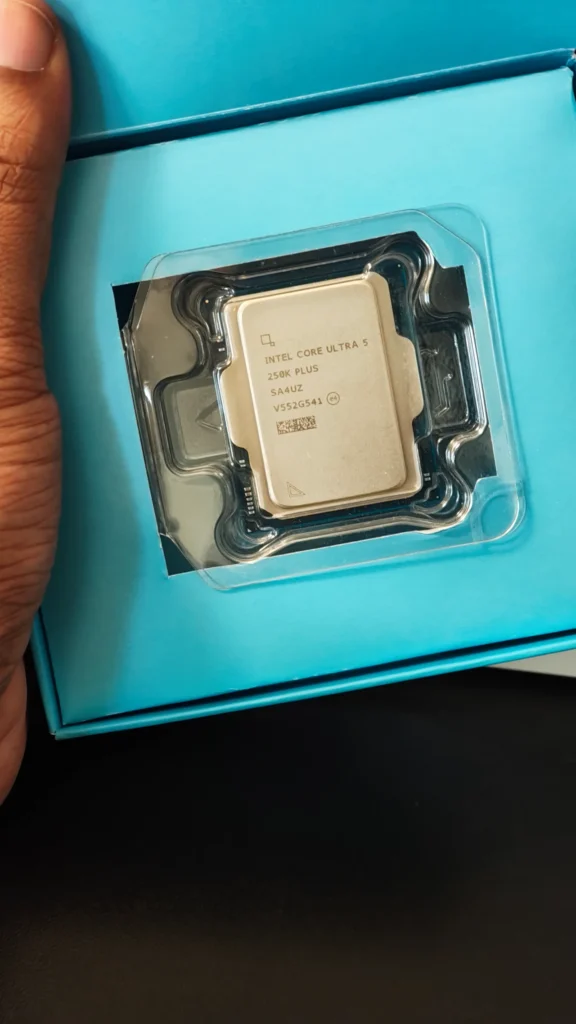
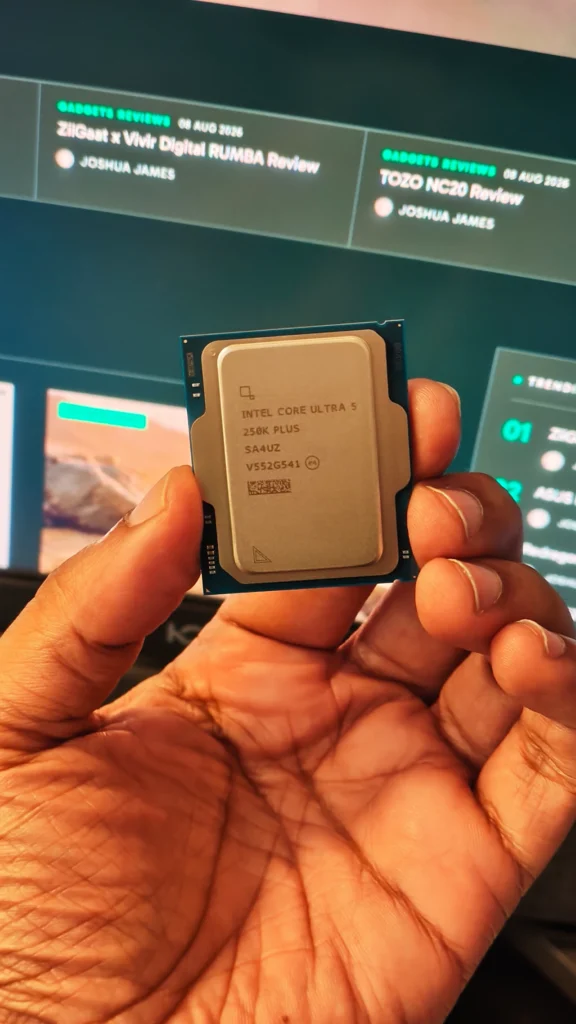
The Core Ultra 5 250K Plus isn’t a simple clock-speed bump — it’s a genuine reconfiguration of the Arrow Lake die. Intel has carried over the 6 Lion Cove performance cores from the Core Ultra 5 245K but added four extra Skymont efficiency cores, bringing the total to 18 threads across 6P+12E. That’s paired with a larger 30MB L3 cache (up from 24MB) and a die-to-die interconnect clocked nearly 50% higher than before. On paper, this is a noticeably beefier chip than the 245K it replaces, at a lower price.
Power delivery stays conservative: 125W base and 159W maximum turbo, identical to its predecessor. That headroom, combined with the platform’s efficient TSMC 3nm compute tile, is what allows the extra cores and cache to be added without pushing thermals or power draw meaningfully higher.
| Spec | Detail |
|---|---|
| Cores/Threads | 6 P-cores (Lion Cove) + 12 E-cores (Skymont), 18 threads |
| Cache | 30MB L3 (up from 24MB on the 245K) |
| P-core clocks | 4.2GHz base / 5.3GHz boost |
| E-core clocks | 3.3GHz base / 4.6GHz boost |
| TDP | 125W base / 159W max turbo |
| Socket | LGA 1851 |
| Memory | DDR5, natively 6400 MT/s; higher speeds via XMP depending on board |
| Price | ~$199–$220 |
Compared to the 245K, the 250K Plus adds 4 extra E-cores, 6MB more L3 cache, and a faster die-to-die interconnect (3.00GHz vs 2.10GHz), while keeping the same power envelope.
The story here is consistent across independent testing: the 250K Plus roughly matches, or slightly edges out, the Ryzen 5 9600X.
Individual titles show a wider spread, which is typical for CPU-bound testing:
| Game | vs Ryzen 5 9600X | vs Core Ultra 5 245K |
|---|---|---|
| Cyberpunk 2077: Phantom Liberty | +10% | +10% |
| Doom: The Dark Ages | +12% | +4.7% |
| Marvel Rivals | +12–15% | +18% |
| The Outer Worlds 2 | +24% | — |
| Baldur’s Gate 3 | Even, stronger 1% lows | +29% |
| Borderlands 4 | +4% | — |
Bottom line: gaming gains over the 245K are real but modest; against the 9600X it’s close to a toss-up, with Intel usually slightly ahead.
This is where the 250K Plus stands out. In application workloads, it runs roughly 30% faster than the 9600X on average, beats even the older Core i7-14700K, and lands just 6% behind the pricier Core Ultra 7 265K. In compression benchmarks specifically, leads over the 9600X of 45–70%+ have been recorded, along with a healthy lead over the Core i5-14600K. Power efficiency also improved over the previous generation: roughly 7% more power draw than the 245K buys about 25% more multi-threaded performance.
The ROG STRIX B860-G GAMING WIFI chipset is a natural fit for this CPU:
Popular boards like the ROG STRIX B860-G GAMING WIFI have handled the 250K Plus’s 159W turbo power comfortably in testing, with solid VRM thermals and no stability issues reported.
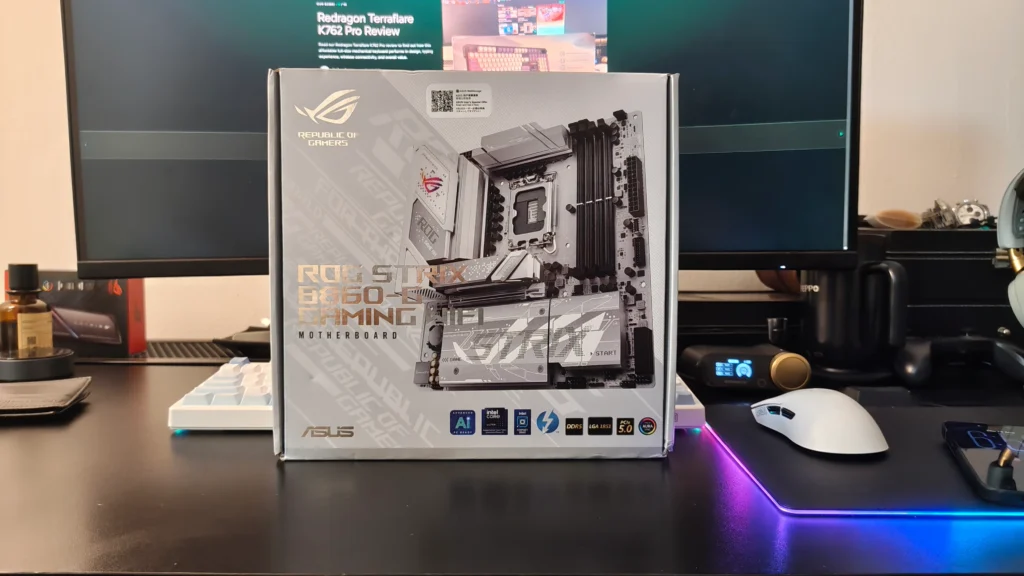
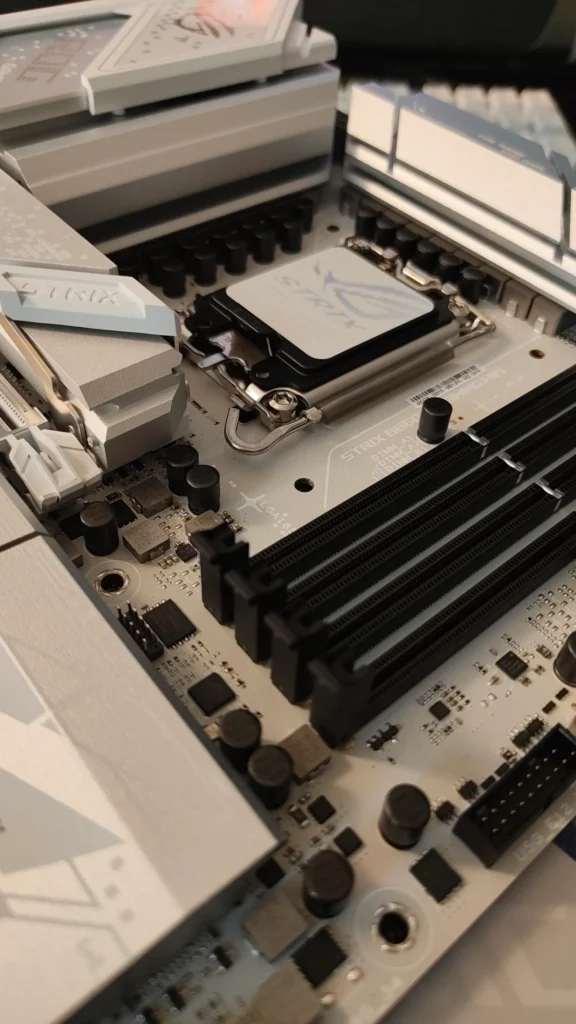
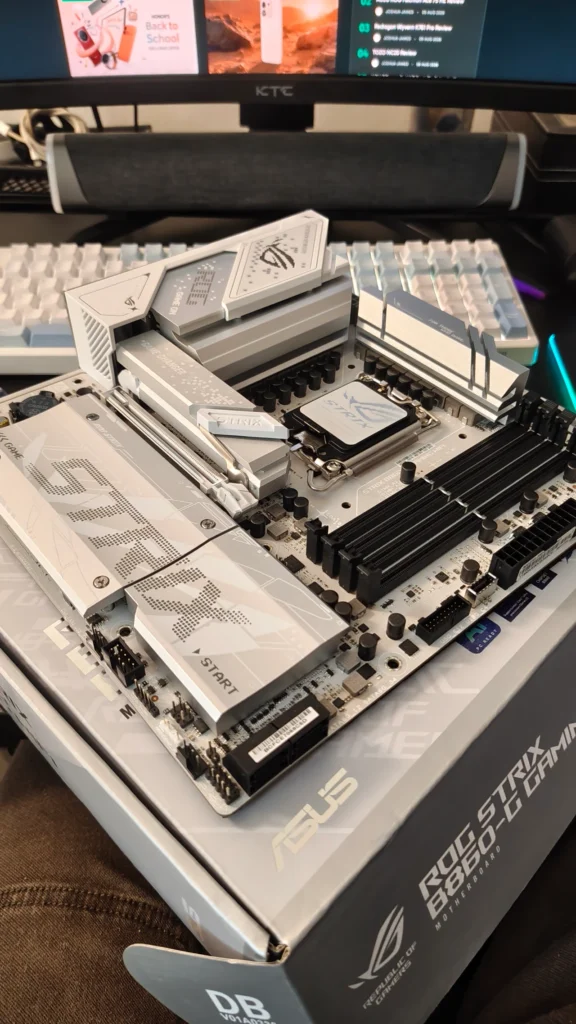
The Core Ultra 5 250K Plus is the most convincing budget CPU Intel has released in this generation. It doesn’t chase the gaming crown, but it doesn’t need to — at $199, its productivity performance alone justifies the price, and its gaming performance is close enough to AMD’s equivalent that the choice comes down to platform preference rather than a clear performance gap. Paired with a B860 motherboard, it’s a well-matched, budget-friendly foundation for a build that leans toward both gaming and everyday multi-core work.
Recommended for: budget builders, upgraders from older Intel platforms, and anyone whose workload mixes gaming with productivity tasks.


HONOR Middle East smartphone growth: 35% in the Middle East in H1 2026, per Omdia, becoming the region's No. 2 smartphone brand.

ASUS Back to School UAE: free Google AI Pro/Plus, Zenni Claw AI assistant, and up to AED 897 in extras on select laptops.

At HONOR, innovation is not a buzzword or a marketing exercise; it is our foundational operating principle. Rather than pursuing tech for its own sake, we design hardware and software around human utility.
 GDGTME Team
 Guest Writer