
TOZO NC9 Pro Review: Feature-Rich Wireless Earbuds with a Touchscreen Case
TOZO NC9 Pro review: We test its adaptive ANC, LDAC audio, touchscreen case, Bluetooth 6.0, sound quality, battery life and everyday performance.
Read our Ring Indoor Cam Plus review covering 2K video quality, low-light performance, motion detection, app experience, subscription costs, and smart home integration.
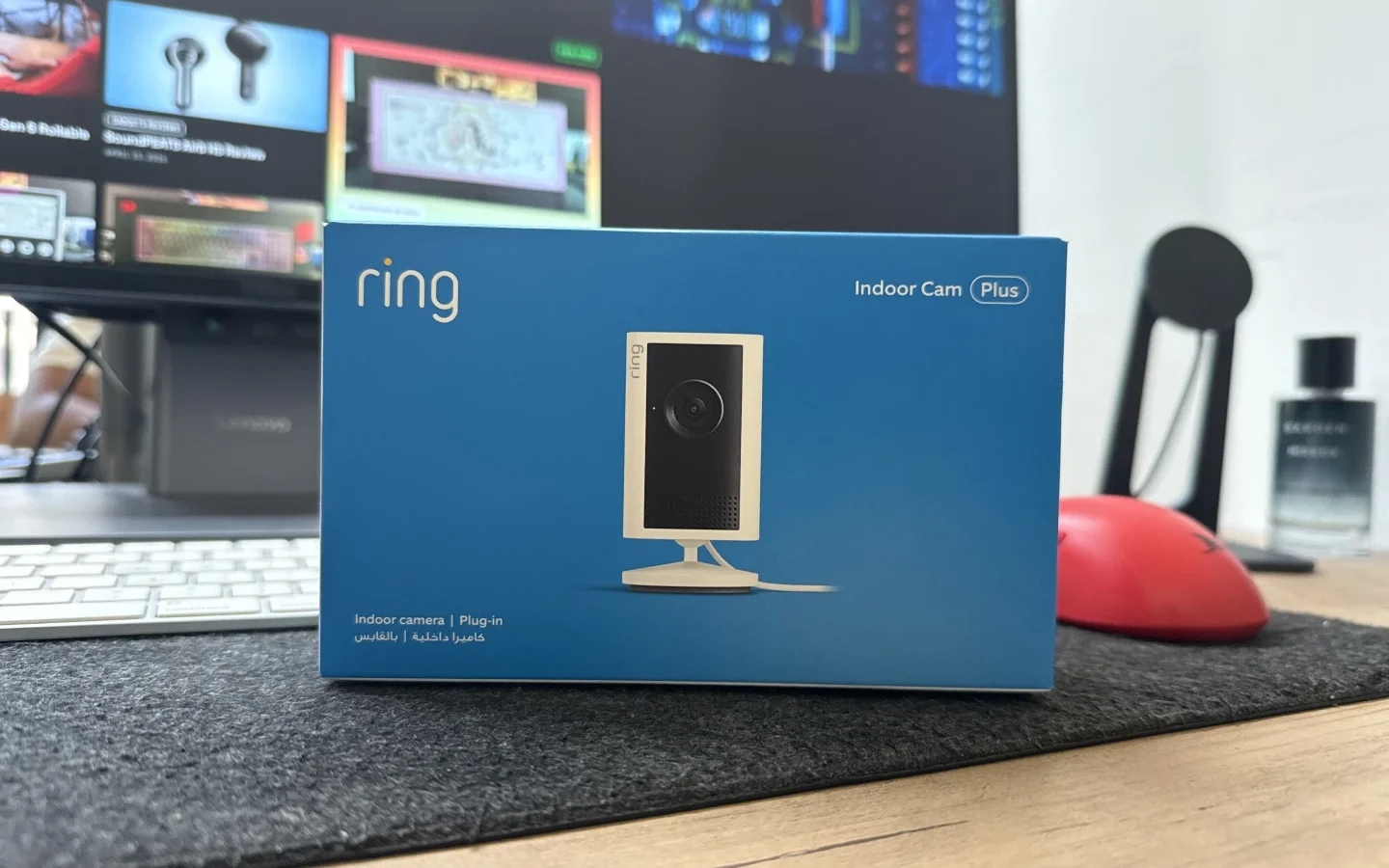
Ring Indoor Cam Plus Review: The Ring Indoor Cam Plus is Ring’s latest wired indoor security camera, bringing upgraded 2K recording, improved low-light imaging, and expanded AI-powered features to the company’s smart home ecosystem. Designed primarily for indoor monitoring, the camera focuses on simplicity, flexible placement, and reliable motion alerts while integrating tightly with the broader Ring platform.
With features such as Retinal 2K video, Low-Light Sight, customizable privacy controls, and support for optional 24/7 recording, the Indoor Cam Plus positions itself as a more capable alternative to Ring’s previous 1080p indoor cameras. After hands-on testing, the camera delivers strong image quality and responsive performance, though subscription requirements and occasional video inconsistencies prevent it from being the easiest recommendation in the category.
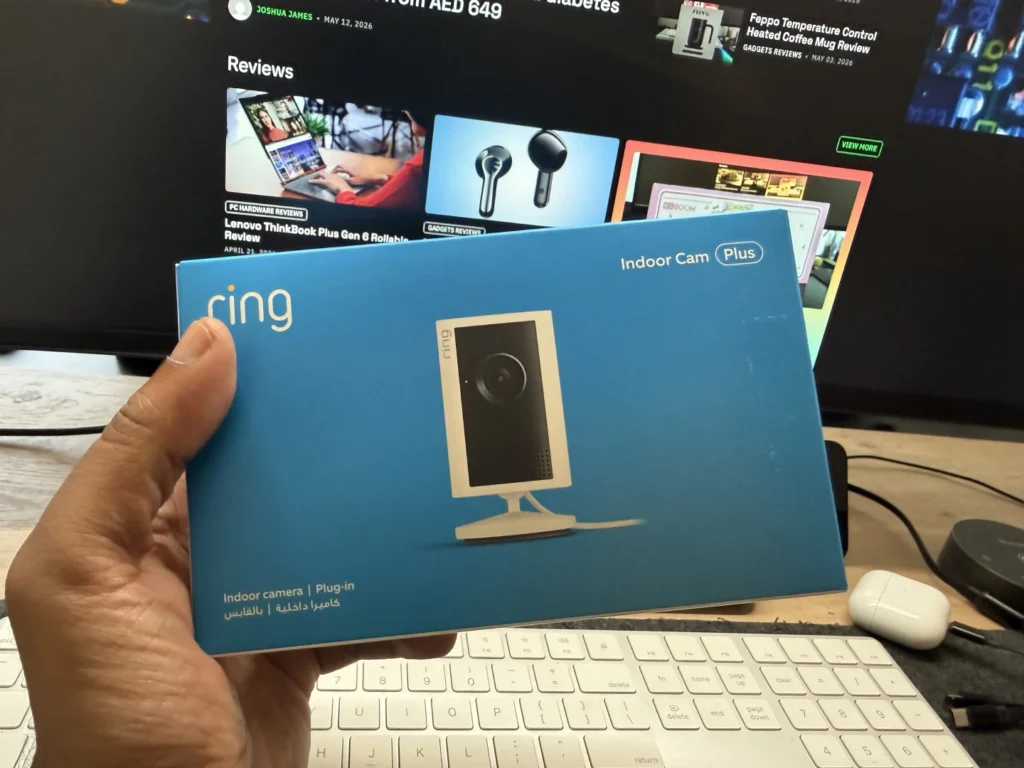
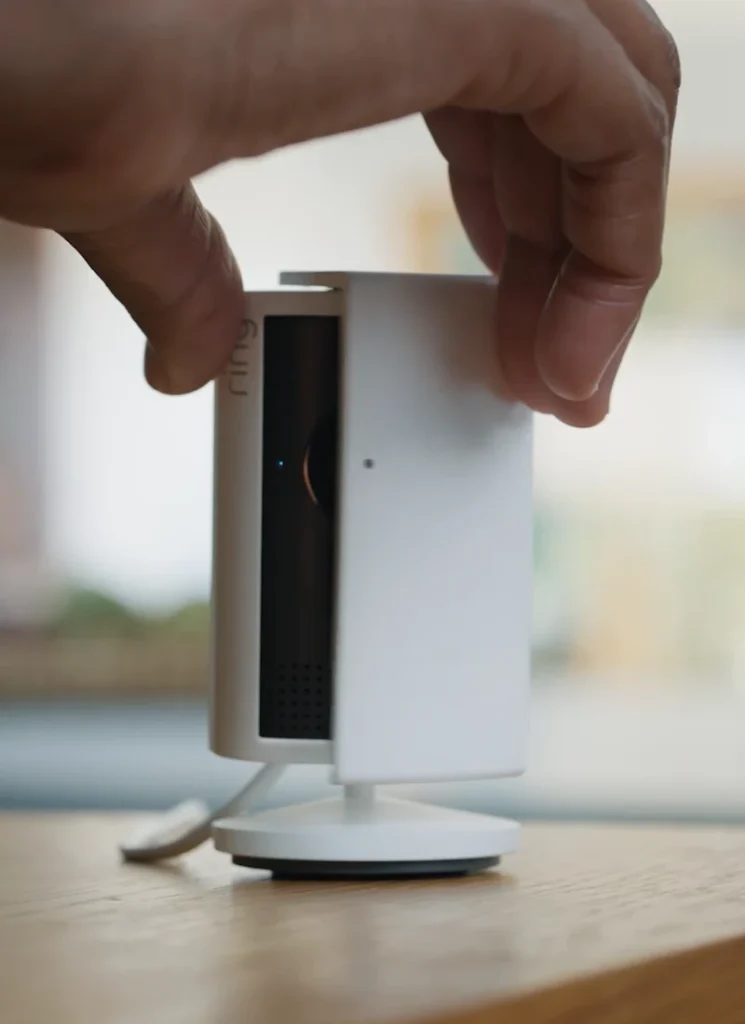
The Indoor Cam Plus adopts Ring’s newer oval-shaped design language, replacing the cylindrical appearance of older models. The compact housing measures 1.97 x 1.97 x 3.80 inches, making it discreet enough for shelves, desks, garages, and other indoor spaces.
The camera includes a flexible swivel mount that supports countertop, wall, and ceiling installation. During testing, the mount provided enough flexibility to adjust viewing angles easily, and the removable mounting plate simplified installation.
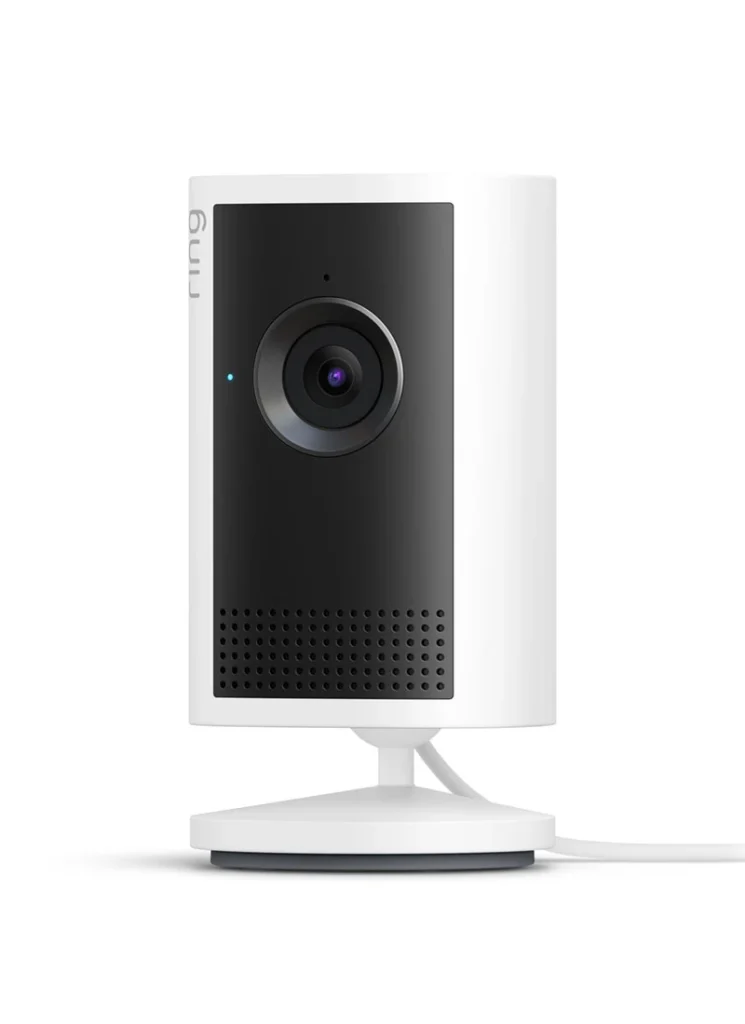
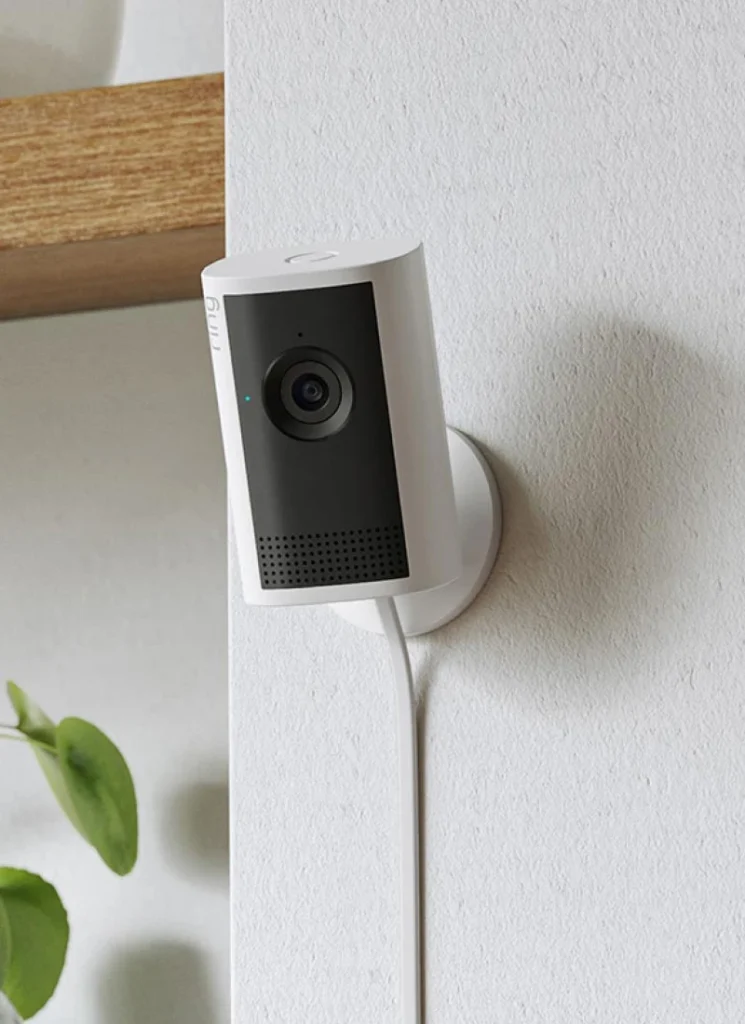
On the front, the camera houses the 2K lens, microphone, speaker, and status indicators. Around the rear is the USB-C power connection, which uses the included 6.5-foot USB-A to USB-C cable and 10W power adapter. While setup remains straightforward, the included cable length may feel restrictive for users planning higher wall placements, especially in larger rooms.
A notable addition is the removable manual lens cover, which physically blocks the camera when privacy is needed. Combined with microphone controls and customizable privacy zones within the Ring app, the Indoor Cam Plus offers a more privacy-conscious approach than many competing indoor cameras.
Setup takes only a few minutes through the Ring app. After plugging in the camera, users scan the QR code, connect to Wi-Fi, and complete firmware updates automatically.
The camera supports single-band 2.4GHz Wi-Fi with Wi-Fi 4 connectivity and requires a minimum upload speed of 5 Mbps for optimal performance. While dual-band support would have been preferable in 2026, the 2.4GHz connection generally provides stable range for indoor placement.
The Ring app remains one of the more polished smart security interfaces available. Live View opens quickly, and users can access two-way talk, event history, motion settings, snapshot timelines, and connected Ring devices from a centralized dashboard.
The app also supports:
Quick Replies and AI-powered features require a Ring Protect subscription, but the implementation itself is smooth and easy to configure.
Video quality is the strongest aspect of the Indoor Cam Plus. The camera records in 2K resolution with Ring’s “Retinal Vision” processing, delivering noticeably sharper detail than older 1080p models.
Daytime footage appears crisp with balanced contrast and natural color reproduction. During testing, facial details and smaller objects remained visible at moderate distances, and the generous 115-degree horizontal field of view covered most indoor spaces effectively.
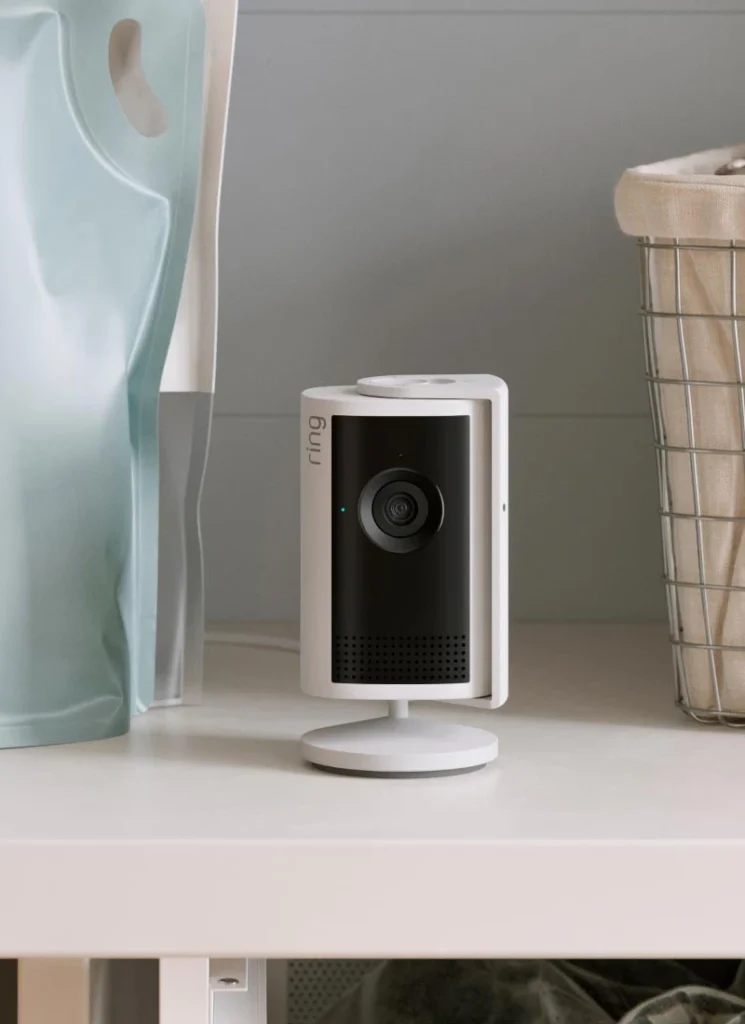
Ring’s Low-Light Sight technology also performs well in dim environments. Instead of immediately switching to monochrome infrared mode, the camera preserves color detail in near-dark conditions with minimal ambient lighting. In complete darkness, infrared night vision activates automatically and delivers clear black-and-white footage.
We also tested the Indoor Cam Plus in a behind-glass setup facing outdoors. After disabling infrared illumination to reduce glare, daytime performance remained surprisingly usable through windows. Nighttime performance behind glass was more mixed, with visible reflections and reduced clarity depending on indoor lighting conditions.
The camera additionally supports 4x Enhanced Zoom. While this remains digital zoom rather than optical magnification, detail retention is acceptable for quickly checking smaller areas within the frame.
Motion detection performance was consistently responsive during testing. Notifications arrived quickly over both Wi-Fi and cellular connections, and person detection remained accurate even at longer distances.
The camera supports advanced motion detection with customizable zones, allowing users to focus alerts on specific areas of the frame. This proved particularly useful in garages, entryways, and rooms with frequent background movement.
Two-way audio quality was clear enough for casual conversations, and the built-in noise cancellation helped reduce background interference. The remotely activated security siren is also loud enough for basic indoor deterrence.
In some cases, portions of the frame became visibly pixelated for several seconds before stabilizing again. Interestingly, switching to continuous recording reduced the issue during testing, suggesting that the problem may be related to bandwidth management or motion-based encoding rather than hardware limitations alone.
Like most Ring products, the Indoor Cam Plus relies heavily on subscription services to unlock its full feature set.
Without a subscription, users can still access live viewing and basic notifications, but recorded event history and cloud storage are unavailable. Ring Protect plans unlock up to 180 days of video history, intelligent alerts, AI-powered video descriptions, Familiar Faces, and optional 24/7 recording.
Plans currently start at approximately $5 per month for a single device, while higher-tier subscriptions support multiple devices and advanced AI functionality.
Compared to alternatives from Eufy, TP-Link Tapo, Wyze, and Reolink, Ring’s dependence on paid cloud subscriptions remains one of its biggest disadvantages, especially since many competitors offer free local storage options.
The Indoor Cam Plus integrates seamlessly with the Amazon Alexa ecosystem, making it a strong option for households already using Echo speakers, Ring doorbells, or other Alexa-enabled devices.
Users can stream live footage to compatible smart displays, create automations between Ring devices, and manage everything directly from the Ring app dashboard.
However, support for third-party ecosystems remains limited. Native integration with platforms such as Google Home is absent, which may reduce flexibility for users with mixed smart home environments.
The Ring Indoor Cam Plus is a capable indoor security camera that delivers strong 2K image quality, reliable motion detection, and a polished user experience. Low-light performance is particularly impressive, and the camera’s flexible mounting options and privacy controls make it practical for a variety of indoor environments.
Its biggest strengths lie within the broader Ring ecosystem, especially for users already invested in Alexa and Ring products. However, recurring subscription costs, limited smart home compatibility outside Alexa, and occasional video quality inconsistencies prevent it from standing out as the best overall value in the category.
For existing Ring users looking to expand indoor coverage, the Indoor Cam Plus is a worthwhile upgrade over the company’s older 1080p models. For first-time buyers, however, competing options from Eufy, Tapo, Wyze, and Reolink may offer more flexibility and lower long-term ownership costs.
Also Read: Ring Outdoor Cam Plus Review

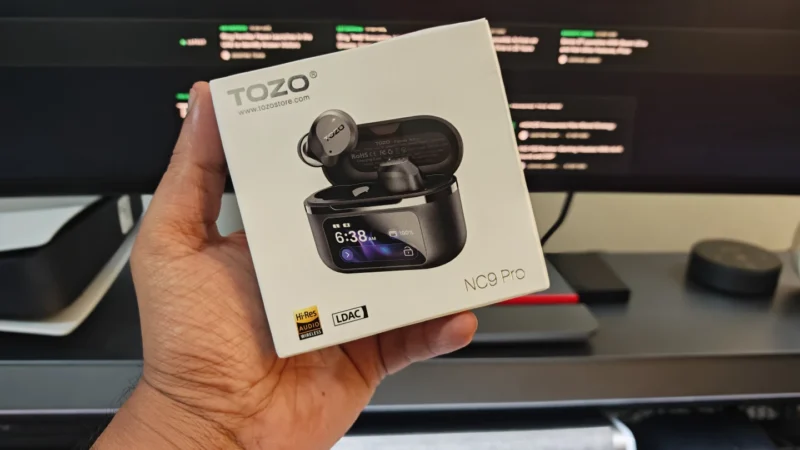
TOZO NC9 Pro review: We test its adaptive ANC, LDAC audio, touchscreen case, Bluetooth 6.0, sound quality, battery life and everyday performance.

Our Snowsky ECHO review examines its sound quality, build, 4.4mm balanced output, battery life, Bluetooth, USB DAC features and overall value.

FiiO FG3 Review: an interesting first attempt at a gaming headset from a company with a strong background in personal audio.
 Joshua James