
Ring Familiar Faces Launches in the UAE to Identify Known Visitors
Ring Familiar Faces is now rolling out in the UAE, allowing users to identify known visitors and receive personalized notifications from compatible Ring devices.
Fitbit Air vs WHOOP 5.0 — which screenless fitness tracker should you buy?

Fitbit Air vs WHOOP 5: The Fitbit Air costs $99.99 upfront with an optional subscription at $9.99 per month. The WHOOP 5.0 bundles hardware into a subscription starting at $16 per month with no upfront hardware cost. Both are screenless wrist-worn fitness trackers. The right choice depends on whether you prioritise a lower upfront cost, a lower long-term cost, or the specific health features each platform offers.
Google designed the Fitbit Air as a direct answer to WHOOP. The two devices occupy the same category — screenless, always-on fitness tracking for users who want health data without the distraction of a smartwatch display. But they approach the same problem from fundamentally different business models, and that difference shapes everything from how you pay to what you get.
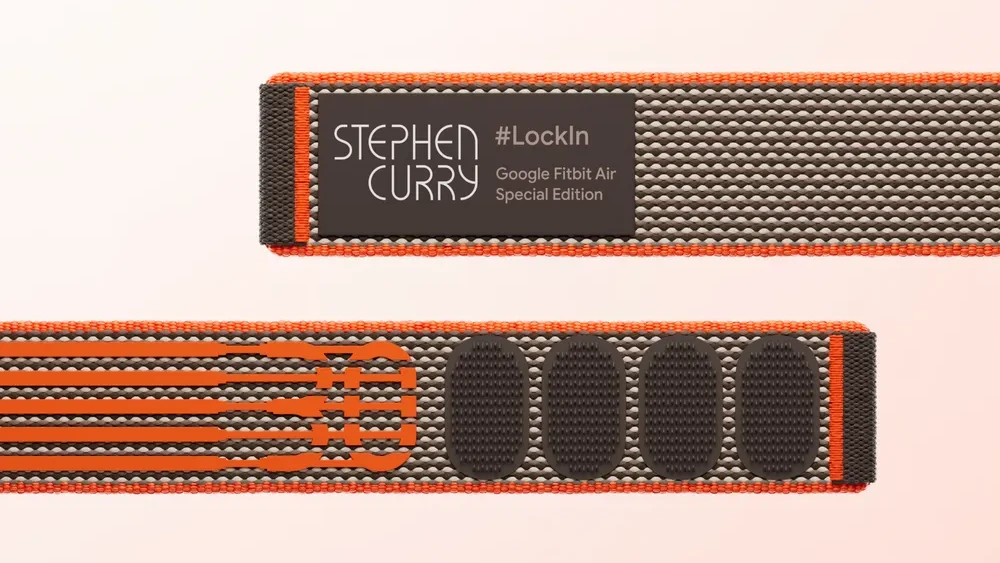
Both the Fitbit Air and WHOOP 5.0 are screenless wrist-worn trackers designed for continuous, passive health monitoring. Neither has a display. Both track heart rate continuously, monitor blood oxygen levels, measure skin temperature, and track sleep stages automatically without user input. Both rely on a companion app to display all data.
Both devices are built around the idea that the most useful fitness tracking happens in the background — without interrupting your day, demanding attention, or distracting you during a workout or conversation.
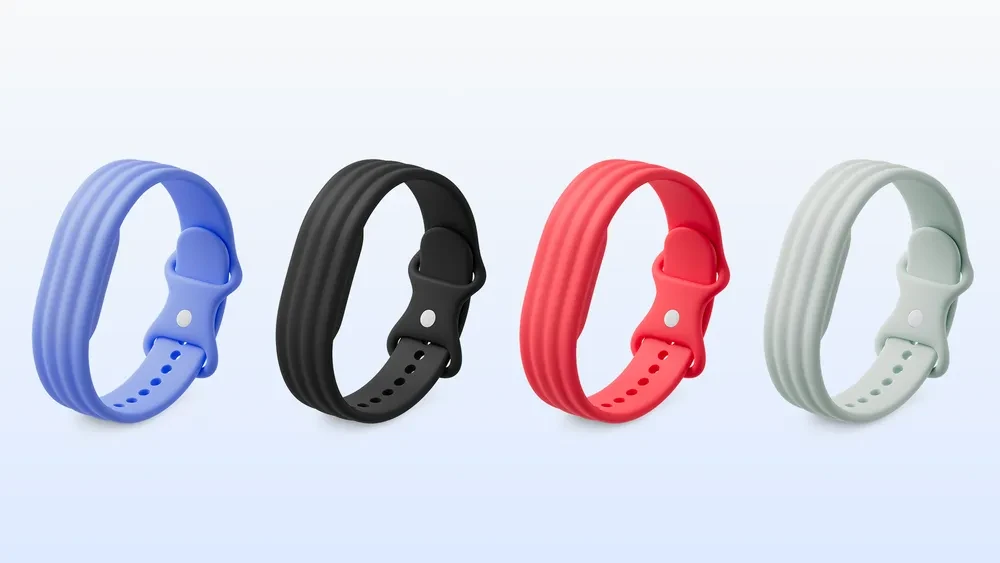
Price structure: is the most significant difference. The Fitbit Air costs $99.99 once. The subscription to Google Health Premium — which unlocks the AI health coach and advanced insights — is optional at $9.99 per month or $99.99 per year. You can use the Fitbit Air with basic tracking features without ever paying a subscription fee.
WHOOP has no upfront hardware cost, but the hardware is only available as part of a subscription. The WHOOP 5.0 is included with a WHOOP membership, which starts at approximately $16 per month. Over 12 months, that is $192 — nearly double the Fitbit Air’s $99.99 entry cost even before factoring in the optional Google Health Premium.
Battery life: favours the Fitbit Air. Google claims up to seven days on a single charge. WHOOP 5.0 is rated at approximately five days. The Fitbit Air’s five-minute fast charge — delivering a full day of use — is a practical advantage over WHOOP’s slide-on battery pack charging system.
AI coaching: is more developed on the Fitbit Air at launch. Google Health Coach, powered by Gemini, can draw on sleep data, activity trends, and connected medical records to give contextual health and fitness advice through natural language conversation. WHOOP’s coaching is data-driven but text-and-card based rather than conversational AI.
Ecosystem: is a meaningful consideration. The Fitbit Air works with both Android and iOS through the Google Health app. WHOOP also supports both platforms. However, for Android users — particularly Pixel phone owners — the Google Health ecosystem integrates across devices in a way WHOOP cannot match.
GPS: is absent on both devices. Neither can map outdoor routes without a paired phone.
Weight: is comparable. The Fitbit Air weighs 12g with the band. WHOOP 5.0 weighs approximately 18g with a strap, making the Fitbit Air the lighter option.
| Fitbit Air | WHOOP 5.0 | |
|---|---|---|
| Price | $99.99 upfront | No upfront cost |
| Subscription | Optional — $9.99/month | Required — from $16/month |
| 12-month total cost | $99.99 + optional $119.88 | ~$192 minimum |
| Screen | None | None |
| Heart rate | 24/7 optical | 24/7 optical |
| SpO2 | Yes | Yes |
| Skin temperature | Yes | Yes |
| Sleep tracking | Automatic | Automatic |
| GPS | No | No |
| Battery life | Up to 7 days | ~5 days |
| Fast charge | 5 min = 1 day | Slide-on battery pack |
| Charger | Magnetic USB-C | Proprietary slide-on |
| Weight | 12g (with band) | ~18g (with strap) |
| AI coach | Gemini-powered (Google Health Coach) | Data-driven insights |
| Compatibility | Android and iOS | Android and iOS |
| Water resistance | 50 metres | 50 metres |
The Fitbit Air is the stronger option for most buyers. The upfront cost is lower, the long-term cost without a subscription is significantly lower, the battery life is longer, the fast-charge capability is more practical, and the Gemini-powered AI coaching is more advanced at this point. For Android users already in the Google ecosystem, the integration with Google Health, Google Health Connect, and Pixel devices adds further value.
WHOOP 5.0 remains the better choice for serious endurance athletes and competitive sport users who rely on WHOOP’s strain score, recovery metrics, and performance coaching tools that have been refined over several years. WHOOP’s community features and athletic coaching content are also more developed than what Google Health Premium offers at launch.
For the majority of fitness-conscious users — those who want continuous health monitoring, good sleep tracking, an AI coaching layer, and a low barrier to entry — the Fitbit Air at $99.99 is the more accessible and more cost-effective option.
The Fitbit Air costs $99.99 upfront with no mandatory subscription. WHOOP 5.0 requires a subscription from approximately $16 per month — approximately $192 per year — with no separate hardware fee. Over 12 months the Fitbit Air is significantly cheaper, particularly if you do not subscribe to Google Health Premium.
Yes. The Fitbit Air is rated at up to seven days compared to approximately five days for the WHOOP 5.0. The Fitbit Air also supports fast charging — five minutes provides a full day of use.
The Fitbit Air’s Google Health Coach is powered by Gemini and supports natural language conversation, drawing on sleep, activity, and health data for personalised responses. WHOOP offers data-driven coaching content but does not have a conversational AI layer at this stage.
Yes. The Fitbit Air automatically detects activity types without requiring manual logging.
Both work with iOS. The Fitbit Air’s deeper integration advantage applies primarily to Android users in the Google ecosystem.
UAE availability for the Fitbit Air has not been confirmed. The device ships globally from 26 May 2026. This article will be updated when UAE pricing and availability are announced.
Also Read: Google Fitbit Air launches globally — screenless fitness tracker with Gemini AI coach and 7-day battery

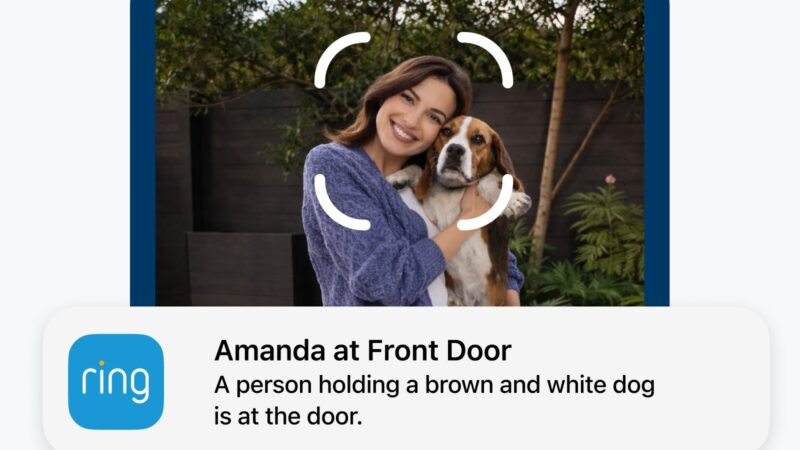
Ring Familiar Faces is now rolling out in the UAE, allowing users to identify known visitors and receive personalized notifications from compatible Ring devices.

Ring TAKE encryption announced as its future default, giving users greater control over video encryption while retaining access to cloud-based security features.

Sonos 27 launches with AI controls, ChatGPT integration, a redesigned app, Beam Ultra soundbar and Ace Ultra headphones.
 GDGTME Team
 Joshua James