
Anno 117: Pax Romana Review
Anno 117: Pax Romana delivers a fresh direction for the series with its Roman setting, cultural systems, and multi-regional design.
Assassin’s Creed Black Flag Resynced is a successful remake because Ubisoft has understood that Black Flag was never just about the Assassin's Creed formula.
Assassin’s Creed Black Flag Resynced is the kind of remake that understands why the original game became so popular. Rather than simply increasing the resolution and rebuilding a few assets, Ubisoft Singapore has reconstructed the 2013 classic using the latest version of the Anvil Engine, while also making changes to combat, stealth, exploration, naval gameplay and the story.
The result is still recognisably Assassin’s Creed IV: Black Flag, but it feels considerably more modern. The Caribbean is more detailed, the ocean and weather systems are substantially improved, and several of the original game’s more frustrating mechanics have been removed or reworked.
That does not make Resynced perfect. Some of the older open-world design remains intact, the combat can become repetitive, stealth is still relatively easy, and some of the new content does not quite match the writing quality of the original campaign.
After spending considerable time sailing the Caribbean as Edward Kenway, however, we found it difficult to deny how effective the overall package is. Black Flag remains an excellent pirate adventure, and Resynced is a substantial way to experience it in 2026.
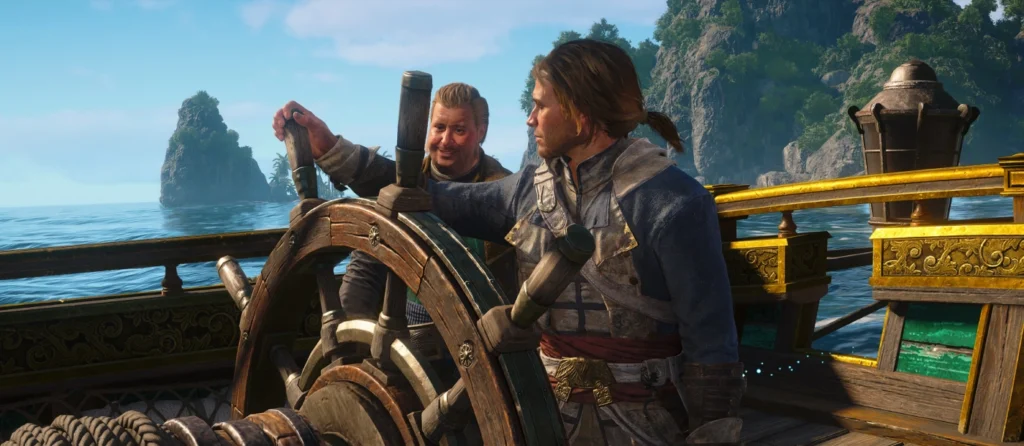
Assassin’s Creed Black Flag Resynced is a ground-up remake of Assassin’s Creed IV: Black Flag, originally released in 2013. Ubisoft Singapore leads development, with the remake rebuilt using the latest version of Ubisoft’s Anvil Engine. It launched on July 9, 2026, for PlayStation 5, Xbox Series X|S and PC.
The game follows Edward Kenway, a Welsh privateer who becomes involved in the conflict between the Assassins and Templars while pursuing his own ambitions for wealth and status.
Unlike many later Assassin’s Creed games, Black Flag places naval exploration at the centre of the experience. Edward travels between islands, cities and settlements aboard the Jackdaw, taking on enemy ships, searching for treasure, hunting, upgrading his equipment and gradually building his reputation.
Resynced preserves that structure while introducing modern gameplay systems and additional story content.
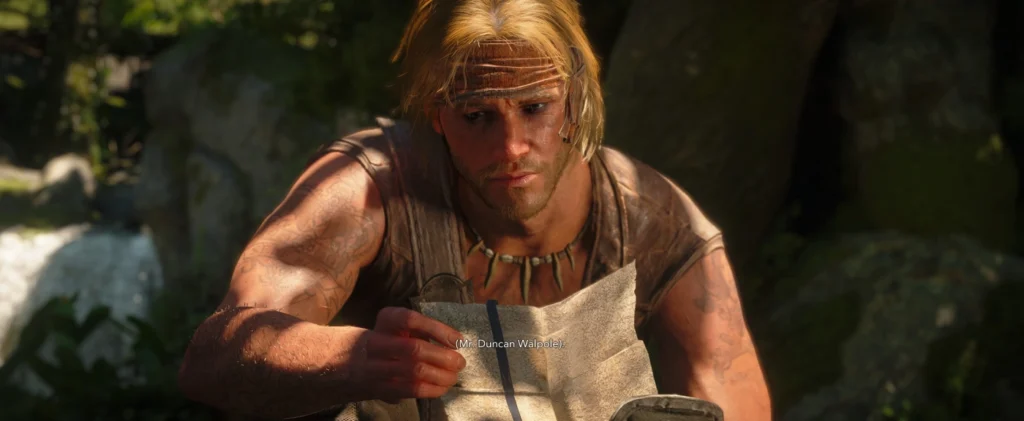
The core story remains one of Black Flag’s strongest elements. Edward Kenway is not introduced as a traditional Assassin. He is primarily motivated by money, freedom and personal ambition, and his involvement with the Assassins develops almost by accident. That makes his character arc more interesting than the conventional hero’s journey.
Edward gradually discovers the consequences of his choices as his pursuit of wealth puts relationships and friendships under increasing pressure. His story remains one of the better character arcs in the Assassin’s Creed series because his development feels gradual rather than forced.
The remake largely preserves the original narrative, including its slower opening chapters. That means some of the pacing issues from the 2013 release remain. The first part of the game can feel episodic as Edward moves between different characters and pirate adventures before the larger story becomes more focused.
Where Resynced improves things is through additional character moments and new questlines. Three new officers can be recruited, each with their own missions and backstories. These quests also introduce abilities that can be used during naval combat.
There are also additional story sequences and an expanded post-game section. These additions give returning players more reasons to revisit Edward’s journey.
However, we noticed a difference in writing style between the original campaign and some of the new material. The original characters often spend time simply talking, joking and reacting to their surroundings. Some of the new quests are more objective-driven and direct.
The additional content is still enjoyable, but it does not always feel as naturally integrated as the original campaign.
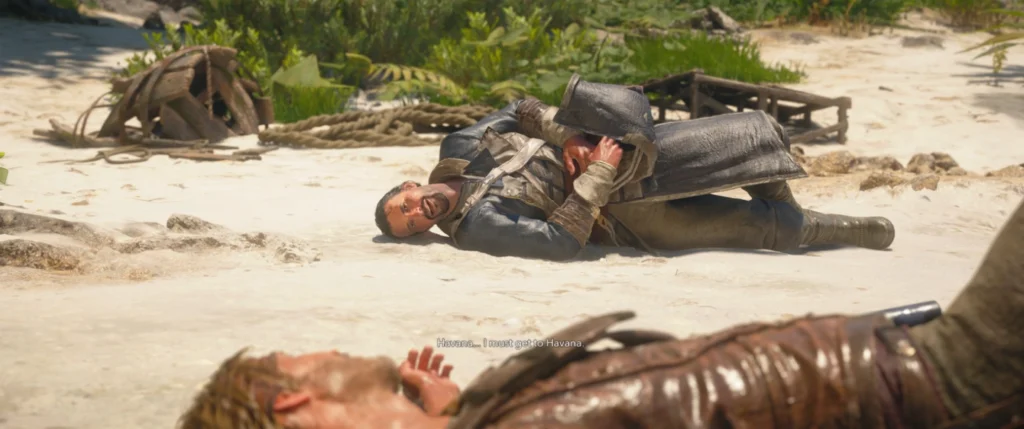
One of the biggest changes is the removal of the original modern-day storyline. The Abstergo sections from the 2013 game are no longer part of the main experience. Instead, Resynced keeps the focus on Edward and the Caribbean, with additional material exploring aspects of his past.
This makes the overall experience more consistent, particularly for players who found the original modern-day sections distracting. However, returning fans who enjoyed the original Assassin’s Creed meta-narrative may miss them.
The game also integrates with the newer Animus Hub and includes additional cosmetic and challenge-related systems. These can largely be ignored if you simply want to play through the campaign.
This is where Resynced makes its biggest technical leap. The remake is built using the latest version of Ubisoft’s Anvil Engine, the same technology used for Assassin’s Creed Shadows. Ubisoft has rebuilt the game’s visual assets rather than simply increasing resolution on the original content.
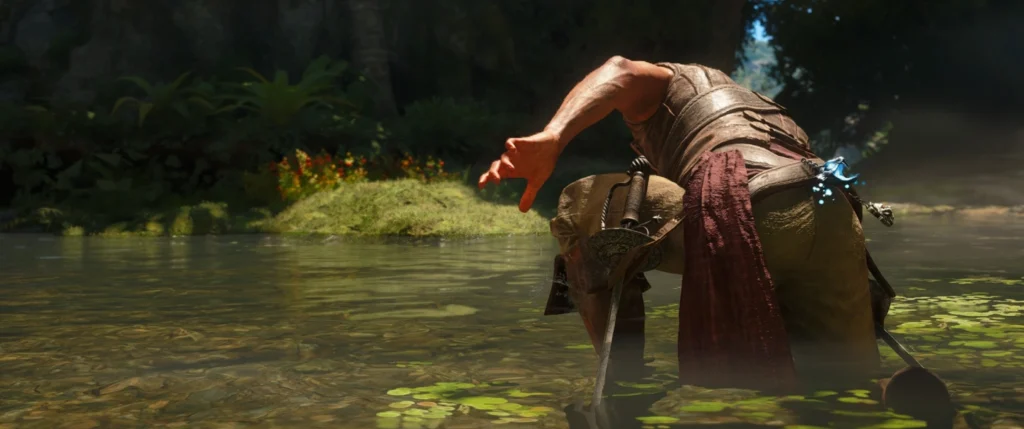
The difference is immediately noticeable. The Caribbean has substantially more environmental detail, with improved vegetation, lighting, character models, shadows and atmospheric effects. Nassau, Havana and the smaller islands feel considerably more populated and visually interesting than they did in the original.
The ocean is arguably the highlight. Water reacts dynamically to weather, wind and storms, while larger waves can make naval battles feel considerably more dramatic. A calm stretch of water can quickly turn into a rough sea with heavy rain, dark skies and large waves pushing against the Jackdaw.
The new weather system also gives the world more visual variety. Sailing at sunset, moving through a tropical storm or approaching a port at night can produce some of the game’s best-looking scenes.
Ray tracing adds another layer of visual detail, particularly in lighting and reflections. On high-end hardware, the difference between ray tracing enabled and disabled can be significant.
The remake is not flawless, however. Some character faces look less convincing than others, and there are occasional inconsistencies between gameplay models and higher-quality cinematic scenes. We also encountered some texture pop-in, shadow flickering and occasional visual oddities.
These issues do not undermine the overall presentation, but they are noticeable in a game that otherwise looks exceptionally polished.
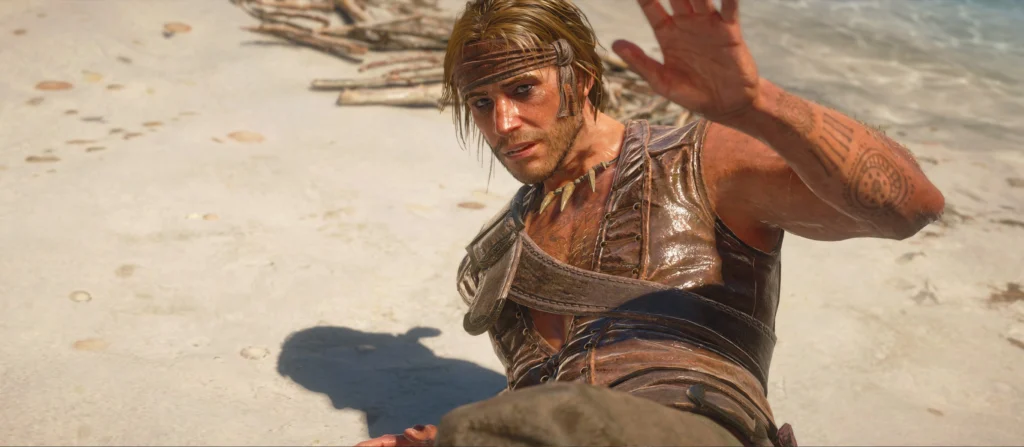
Performance is generally strong, particularly on current-generation hardware. On PS5, Resynced provides performance and fidelity options, alongside a balanced mode for compatible displays. PS5 Pro receives additional visual enhancements, including improved ray tracing and upscaling.
PC players receive support for several upscaling technologies, including DLSS, FSR, XeSS and TSR, alongside frame-generation options. The game requires approximately 65GB of SSD storage. During our testing, performance was generally smooth, although large naval battles, dense environments and scenes with heavy foliage could produce occasional frame-rate fluctuations.
There are also some technical bugs. We encountered pathfinding issues and occasional AI problems, while other players have reported situations where NPCs fail to move or enemies fail to spawn correctly. These are relatively isolated issues rather than problems that define the experience, but a few additional rounds of optimisation would have helped.
The biggest success of Resynced is that it modernises Black Flag without completely changing its identity. The core gameplay remains divided between exploration, stealth, combat and naval activities. Each system has received varying degrees of improvement. The most significant changes are found in ground combat and stealth.
Combat
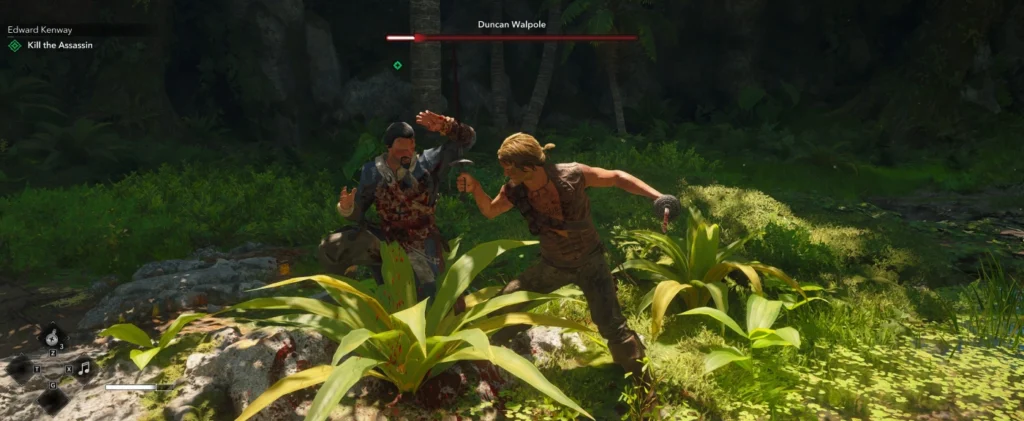
Resynced replaces much of the original game’s straightforward counter-and-kill approach with a more timing-focused combat system. Edward can parry attacks, break enemy defences, perform takedowns and use heavy attacks to deal with groups. Pistols, smoke bombs, rope darts and other tools provide additional options.
The result feels more active than the original. Enemy encounters also provide more opportunities to combine different attacks. Perfectly timed defensive moves can transition into takedowns, while heavy attacks can create openings against groups.
The combat is visually satisfying and considerably more fluid than the 2013 version. The problem is that it does not become particularly difficult. Once we understood the basic attack patterns of each enemy type, most encounters became predictable. Even on higher difficulty settings, the game rarely demands a major change in strategy.
The additional weapons and abilities are useful, but they do not fundamentally change the difficulty curve. As a result, the combat is enjoyable without being especially deep.
Stealth
Stealth receives one of the most useful quality-of-life improvements in the entire remake. Edward can now crouch freely rather than being restricted to specific environmental cover. This makes movement through restricted areas feel considerably more natural.
The visibility system is also more informative, while eagle vision and social-stealth mechanics return. Tailing and eavesdropping missions have been significantly improved. Being detected no longer automatically results in a mission failure in most situations. Players can recover from mistakes, engage enemies directly or find alternative ways to continue.
This eliminates one of the most frustrating aspects of the original game. However, the enemy AI has not advanced at the same rate as Edward’s abilities.Guards remain relatively easy to manipulate, and stealth encounters rarely create much tension. Once the player understands the enemy behaviour, many restricted areas become easy to infiltrate.
The improved stealth mechanics are therefore welcome, but the AI prevents them from becoming a truly deep stealth system.
Naval Combat
Naval combat remains the heart of Black Flag. This is still the strongest gameplay system in the game, and Resynced wisely avoids completely rebuilding it.
The Jackdaw starts as a relatively weak ship, but upgrading its armour, weapons, speed and other systems gradually transforms it into a much more capable vessel.Combat has been expanded with additional weapon functions and abilities. Secondary firing modes provide more options during battles, while new officer abilities introduce additional tactical choices.
The progression is particularly satisfying.Ships that appear intimidating early in the campaign can become manageable after upgrading the Jackdaw. Watching the ship develop from a small privateer vessel into a powerful warship gives the naval progression a tangible sense of reward.
The improved weather system makes these encounters even more impressive. Waves, wind and storms can dramatically change the appearance of the sea while making battles feel more chaotic. There is still plenty of room for repetition. Fort assaults and some naval encounters follow familiar patterns, but the actual ship handling remains enjoyable throughout the campaign. For us, this is still the part of Black Flag that gives the game its distinct identity.
Exploration and Open World
The Caribbean remains a compelling open world, particularly when viewed from the deck of the Jackdaw. You can sail between islands, explore hidden locations, search for treasure, hunt animals, collect resources and discover smaller activities along the way.
The world is visually impressive enough that simply sailing between objectives remains enjoyable. However, this is also where the game’s age becomes most apparent. Many side activities are repetitive. Collecting one type of item generally tells you what to expect from the rest, while forts and other activities can become formulaic after several hours.
The crafting system is similarly straightforward. Hunting provides resources that can be used to unlock upgrades, but there are relatively few meaningful crafting choices. Compared with modern open-world RPGs, Black Flag’s systems are considerably simpler. That simplicity is not necessarily a problem. In fact, it helps keep the overall experience manageable. But players expecting the depth of newer Assassin’s Creed titles may find the systems limited.
Parkour and Movement
Parkour is more fluid than in the original, with several movement improvements and traversal options inspired by newer Assassin’s Creed games. Edward can navigate environments more naturally, while tools such as ziplines provide additional ways to move between locations.
Even so, parkour remains relatively simple. Much of the system involves holding a movement button and directing Edward toward a destination. There is less precision and mechanical depth than in some modern action games. It works well enough for the world, but it does not represent a major evolution of Assassin’s Creed traversal.
The audio design is one of the game’s strongest atmospheric elements. The sound of the ocean, wind, wildlife and storms helps make the Caribbean feel alive. Sailing through calm waters while the crew sings is still one of the most memorable aspects of the experience.
Sea shanties remain an important part of the game’s identity, while the expanded soundtrack complements both naval battles and quieter exploration. Storms also sound particularly impressive. The changing wind, waves and environmental effects create a stronger sense of scale than the original could achieve.
Voice acting is generally good, with several returning performances helping preserve the identity of the original characters. However, some dialogue can occasionally sound slightly disconnected from the surrounding environment. These issues are minor, but they become more apparent because the visual presentation is otherwise so polished.
The additional content is one of the main reasons returning players may want to revisit Black Flag. The new officer quests introduce additional characters and storylines while providing new naval abilities. These missions are more substantial than simple filler activities. There are also additional story moments involving existing characters, new gameplay sequences and post-game content that expands Edward’s journey beyond the original campaign.
Some of these additions work better than others. The strongest new material feels like a natural extension of Black Flag. Other sections feel more modern in their structure and dialogue, making the difference between the original and new writing noticeable. Even so, the additional content provides meaningful value for returning players rather than simply adding cosmetic extras.
For new players, the answer is relatively straightforward. If you have never played Black Flag, Resynced is an excellent way to experience Edward Kenway’s story. The modern visuals, improved combat, better stealth and seamless transitions between land and sea make the original structure considerably easier to recommend in 2026.
Returning players have a more complicated decision. If you remember every mission, location and activity from the original, the core experience will still feel familiar. However, the visual overhaul, gameplay changes and additional story content provide enough new material to make another playthrough worthwhile.
The bigger question is price. At full price, Resynced is easier to recommend to newcomers than to players who already own and remember the original well. Ubisoft lists the standard edition at $59.99, while the Deluxe Edition is $69.99. For returning fans who are less interested in replaying the same campaign, waiting for a discount would be reasonable.
Assassin’s Creed Black Flag Resynced is a successful remake because Ubisoft has understood that Black Flag was never just about the Assassin’s Creed formula. It was about the freedom of sailing across the Caribbean, finding an island on the horizon, taking control of the Jackdaw and deciding what to do next.
The remake preserves that feeling while making the world substantially more detailed and the gameplay more modern. The naval combat remains excellent, the visual upgrade is impressive, and the additional story content gives returning players something new to experience.
It is not without problems. Ground combat is still relatively shallow, stealth AI is underdeveloped, side activities become repetitive and some technical issues remain. The removal of the original modern-day sections will also divide longtime fans.
Still, the strengths outweigh the weaknesses. Resynced does not reinvent Black Flag. Instead, it removes many of the original game’s rough edges while preserving the systems that made it memorable. That makes it one of the more convincing remakes Ubisoft has produced and a strong showcase for what the Anvil Engine can deliver.
For newcomers, it is the version of Black Flag we would recommend. For returning players, it is a worthwhile revisit, particularly if you have not played the original in many years.
Also Read: Anno 117: Pax Romana Review

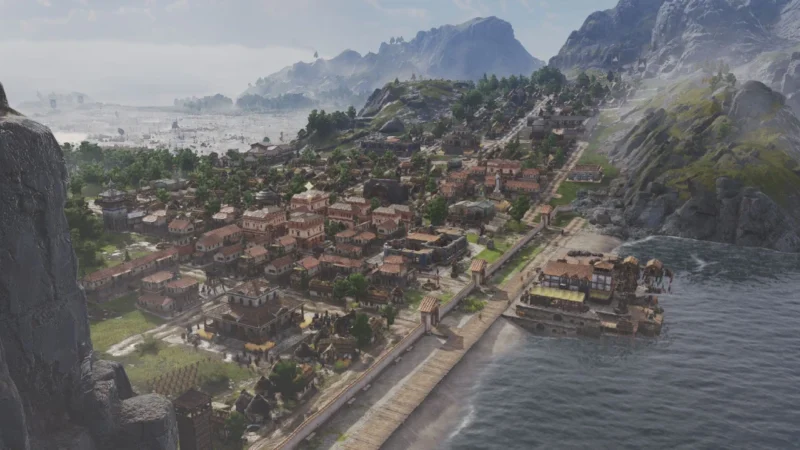
Anno 117: Pax Romana delivers a fresh direction for the series with its Roman setting, cultural systems, and multi-regional design.
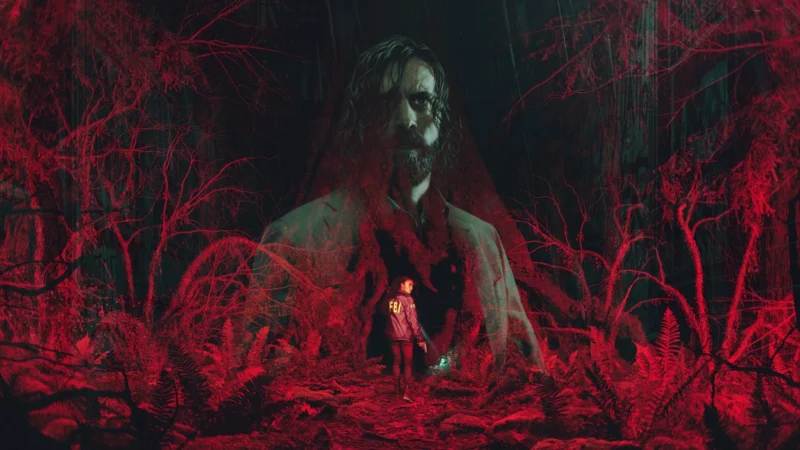
Alan Wake 2 has set itself as a standard in survival horror gaming by combining action with a complex narrative and investigating issues of isolation, madness, and supernatural forces.

Undisputed Review: a great addition to the genre of boxing video games, offering thrilling action, amazing graphics, and a great experience.
 Joshua James
 Aravind N