
TOZO NC9 Pro Review: Feature-Rich Wireless Earbuds with a Touchscreen Case
TOZO NC9 Pro review: We test its adaptive ANC, LDAC audio, touchscreen case, Bluetooth 6.0, sound quality, battery life and everyday performance.
Lamtto DC16 Review: an affordable yet powerful dual dash camera system featuring a 4K front camera and 1080p rear camera.
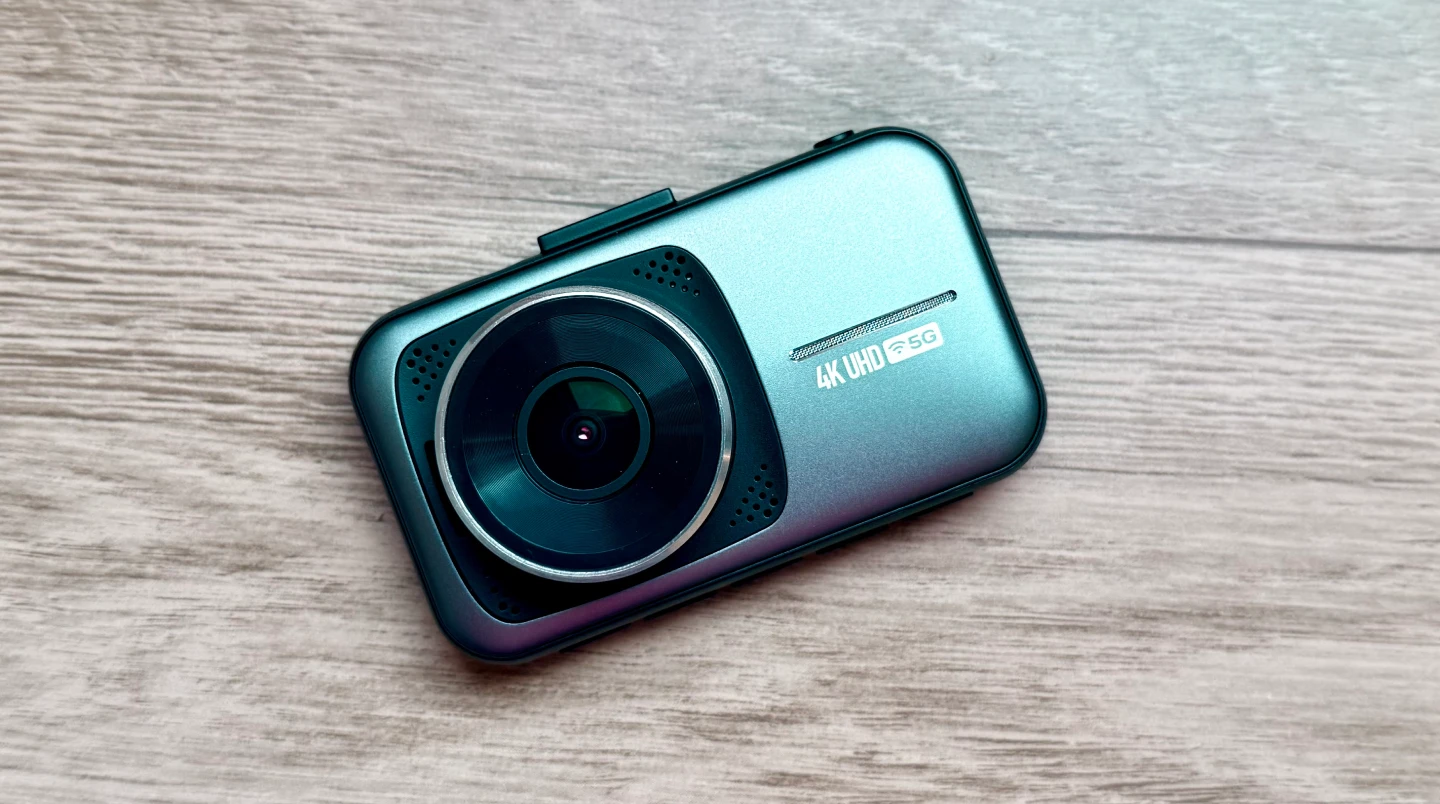
Today, we’re reviewing the Lamtto DC16, a dual dash camera system featuring a 4K front camera and 1080p rear camera. Lamtto sent us this unit for testing, but our impressions remain entirely our own.
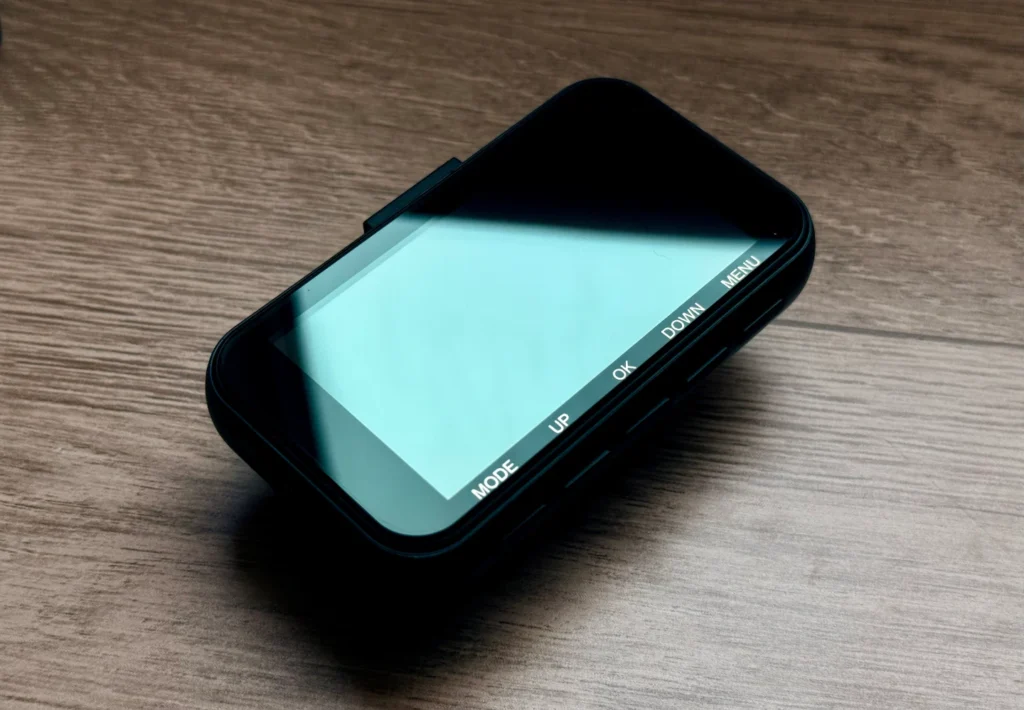
We appreciate the compact form factor of the DC16, which fits especially well in vehicles with smaller windshields. The 3-inch display is easy to read without being obtrusive, and the physical control buttons below the screen are clearly labeled and straightforward to operate.
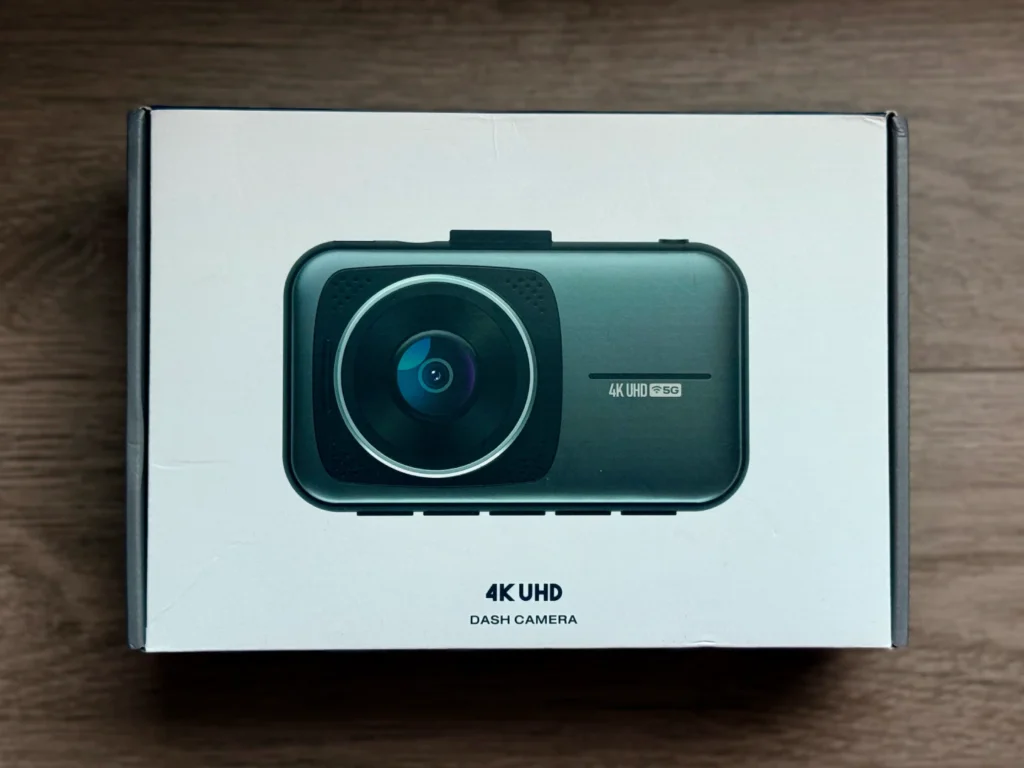
The front camera feels well-built, with a standard lens that we’ll assess further through both daytime and nighttime footage samples.
In the box, the DC16 comes with:
We found the suction mount particularly impressive — it’s sturdy, attaches firmly to the windshield, and can be rotated to achieve the desired angle.
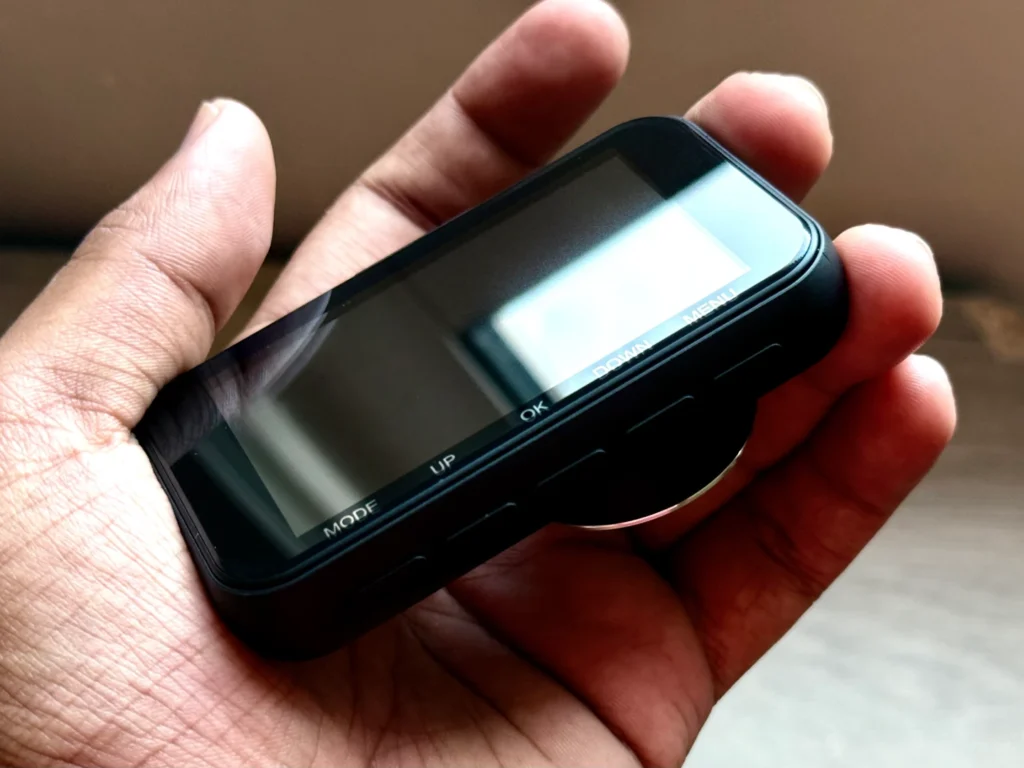
Since we already have a front and rear dash cam installed in our vehicle, we did not perform a full installation of the DC16. Instead, we’ve kept the unit in brand-new condition for a future giveaway to our readers. For this reason, we did not use the included adhesives or mounting stickers.
One important reminder from past experience: make sure to remove the lens’s protective film before use. In a previous test, we noticed image quality issues, which were later traced back to the protective film still being in place.
To begin setup, the camera features a QR code on the back for downloading the companion app. Wi-Fi can be activated by holding the “down” button until the Wi-Fi icon appears on screen.

The front camera comes with a suction mount that supports full rotation. We recommend loosening the adjustment wheel before repositioning the mount—since it is plastic, excessive force could cause it to crack. Once placed on the windshield, the suction is secured using a twist-lock mechanism that creates a firm seal without the need for moisture.
For testing purposes, we loosely mounted the front unit, as we still needed to connect the power cable. Installation of the rear camera is more involved. In our case, existing cabling from another dash cam limited our routing options. However, the 18-foot rear camera cable included is long enough for most vehicle layouts.
The rear camera connects to the main unit and can be installed using the provided clips and adhesive pads. The cable can be routed discreetly through the headliner or trim for a cleaner look.
Once connected to the 12V socket, the camera powers on and begins recording automatically. The included power cable is long enough to allow flexible positioning. The front camera uses a USB-C port, while the rear camera plugs into a dedicated AV input.
The built-in display shows recording status, resolution, and battery level. By default, the front camera records at 4K and the rear at 1080p. Users can toggle between front-only, rear-only, or split-screen views of both feeds.
To access the settings menu, recording must be stopped by pressing the “OK” button. The menu offers a variety of customization options, including:
Additional menu options include date/time settings, language selection, screen saver, beep sound, SD card formatting, and factory reset.
The camera’s Wi-Fi can be used with the companion app, accessible by scanning the QR code. The default password is displayed on-screen. While the app interface is user-friendly, we experienced multiple disconnections even on a stable connection, making the app less reliable for real-time viewing.
That said, footage is continuously saved to the SD card, and the included USB card reader allows for easy playback on a computer. This makes the app useful but not essential for most users.
Upon powering up, the system automatically begins recording. The built-in microphone records cabin audio, although sound quality is a bit distorted and cannot be adjusted.
In bright daylight, the 4K front camera delivered sharp video with the ability to read license plates up to a car length away. The rear 1080p camera also performed reasonably well under similar conditions, although lens flares were noticeable in direct sunlight.
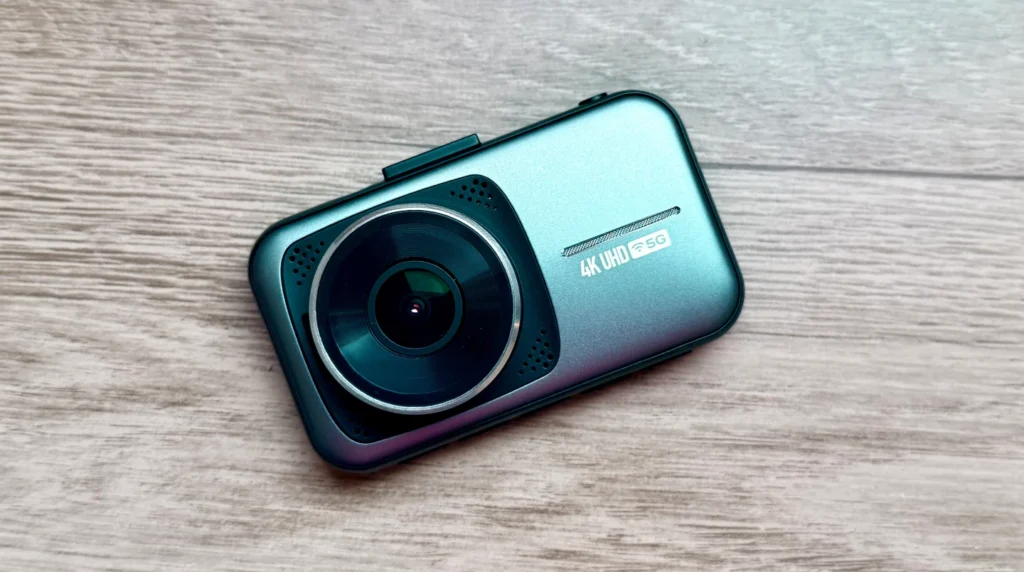
During nighttime testing, the system handled low-light scenarios in rural settings adequately. Bright headlights aimed directly at the rear camera did reduce clarity, but vehicles with higher-mounted license plates were still readable. Overall, nighttime video quality was decent for a camera at this price point.
The Lamtto DC16 offers a compact and user-friendly dual dash cam solution with decent image quality, easy installation, and essential features such as loop recording, G-sensor impact detection, and parking monitoring. While the rear camera mount could be improved, the system performs reliably overall and is well-suited for users seeking a straightforward, affordable dual-camera setup.
Also Read: Kiwi Ears Spark Review

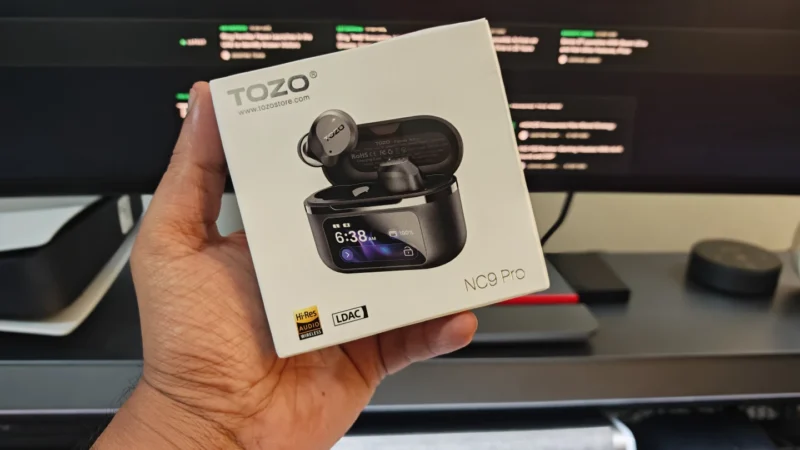
TOZO NC9 Pro review: We test its adaptive ANC, LDAC audio, touchscreen case, Bluetooth 6.0, sound quality, battery life and everyday performance.

Our Snowsky ECHO review examines its sound quality, build, 4.4mm balanced output, battery life, Bluetooth, USB DAC features and overall value.
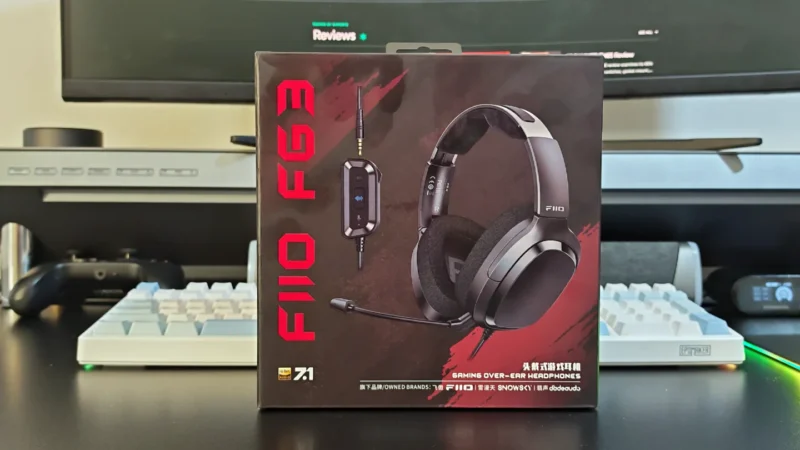
FiiO FG3 Review: an interesting first attempt at a gaming headset from a company with a strong background in personal audio.
 Joshua James