
TOZO NC9 Pro Review: Feature-Rich Wireless Earbuds with a Touchscreen Case
TOZO NC9 Pro review: We test its adaptive ANC, LDAC audio, touchscreen case, Bluetooth 6.0, sound quality, battery life and everyday performance.
For content creators, corporate teams, and solo journalists seeking added flexibility without investing in additional hardware, the Interview GO represents a cost-effective and functional addition to the kit.
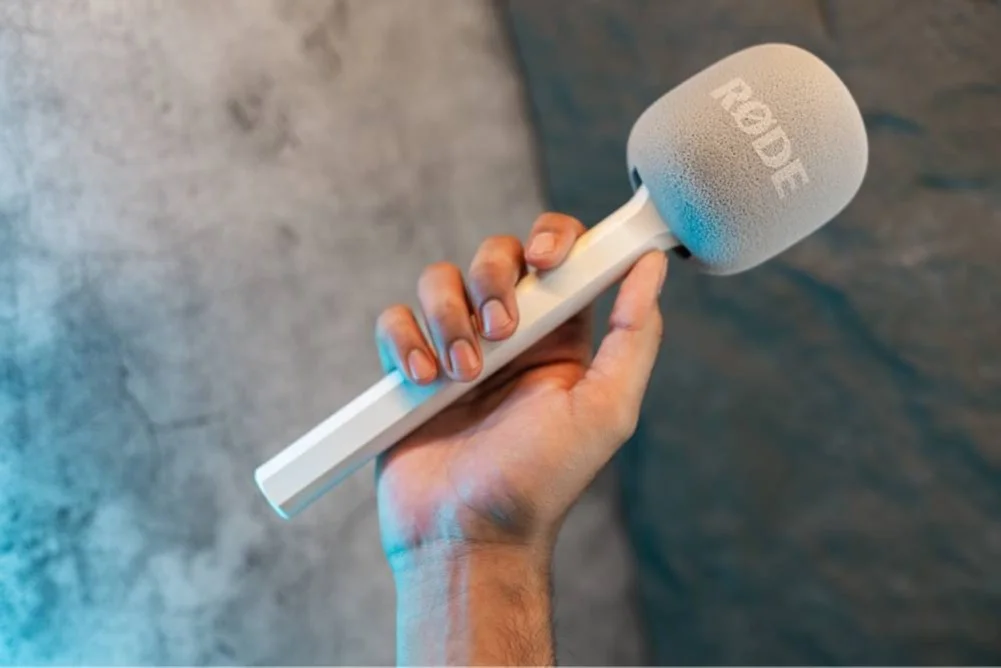
When RODE introduced the Interview GO, it positioned the accessory as a simple way to convert the Wireless GO transmitter into a handheld interview microphone. The concept is straightforward: transform a compact clip-on wireless mic into a more traditional reporter-style format without adding additional electronics or complexity.
After spending time with the Interview GO, we found it to be a practical, niche accessory that expands the versatility of the Wireless GO system, particularly in run-and-gun interview scenarios.
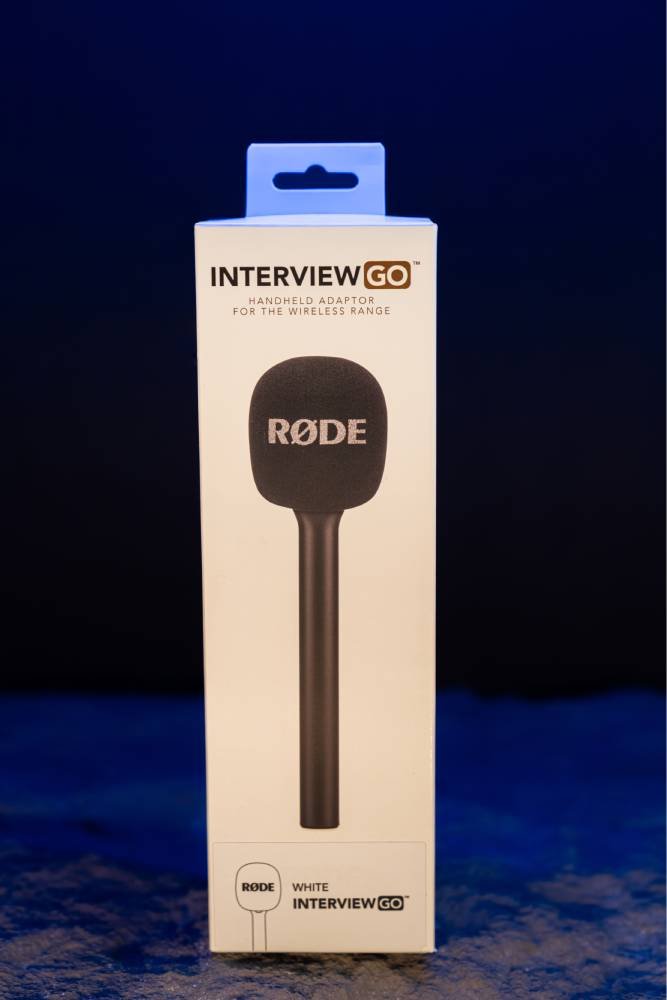
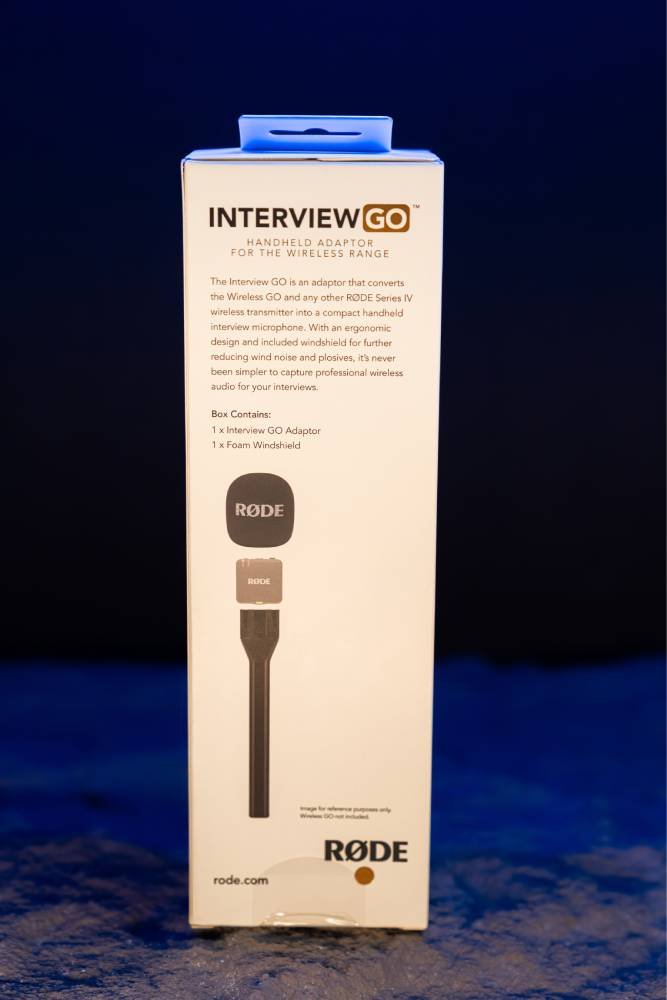
The package includes two components:
There are no built-in electronics, batteries, or controls. The Interview GO is purely a physical adapter designed to house the Wireless GO transmitter securely.
Setup is entirely plug-and-play. The Wireless GO transmitter slides into a dedicated groove inside the handle, using its existing clip to lock into place. The fit is secure, with no noticeable movement or wobble. This is important, as any physical shifting could be picked up by the transmitter’s built-in microphone.
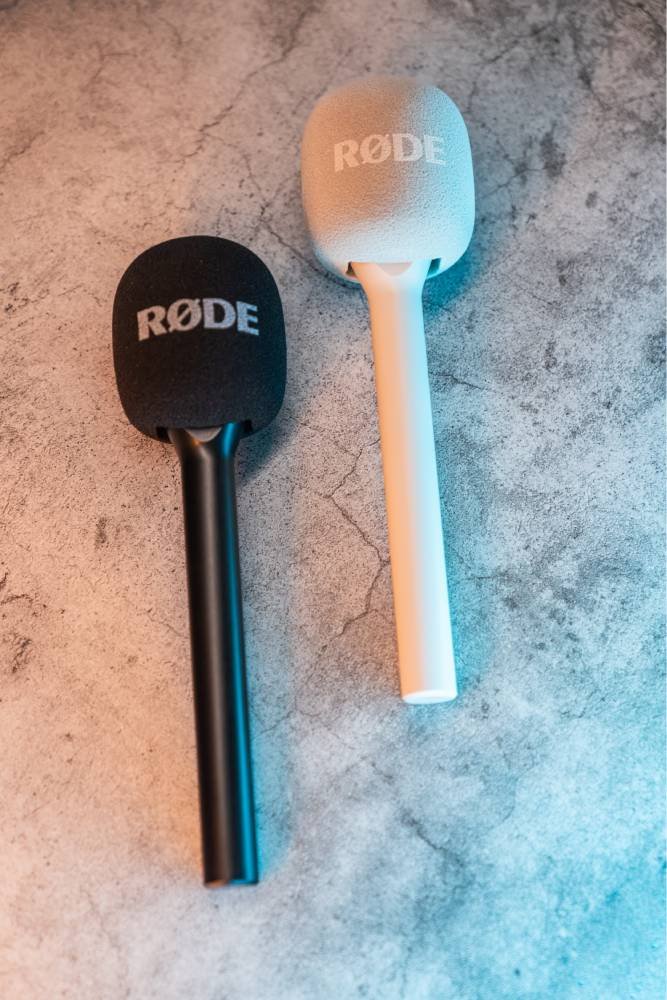
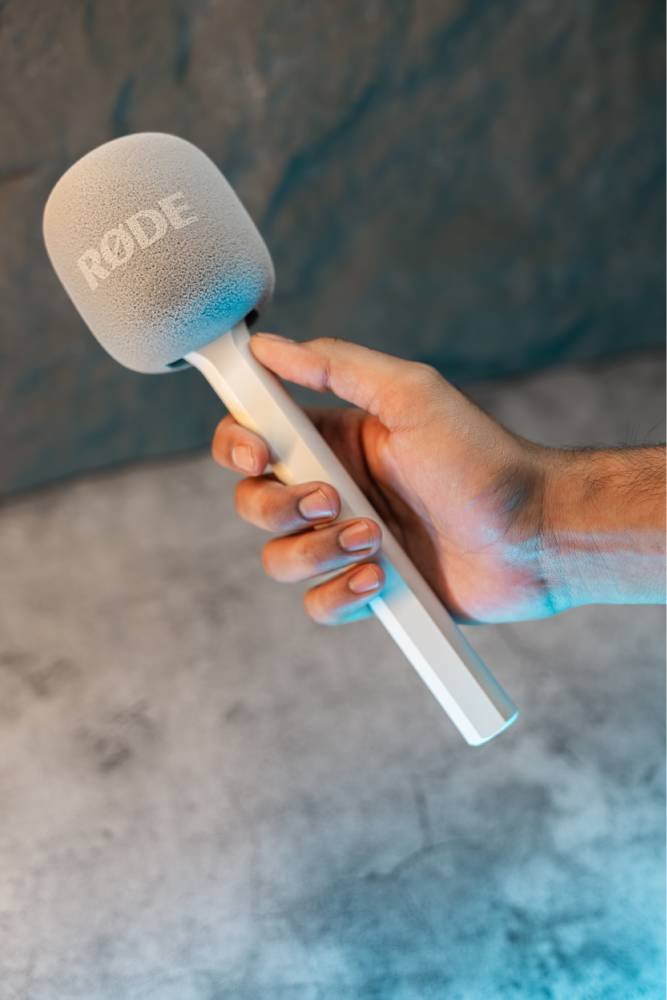
Once inserted, the foam windshield fits over the top, completing the handheld microphone form factor.
The handle weighs approximately 84 grams, while the windshield adds about 8 grams. On its own, the adapter feels light. With the transmitter installed, the combined unit feels more substantial and balanced in the hand. The handle is made from a dense, rigid material that feels durable despite its lightweight construction.
From a usability perspective, one practical consideration is power control. Since the transmitter’s power button is located at the bottom, it must be turned on or off before inserting it into the adapter.
At first glance, the Interview GO may appear simplistic. However, closer inspection reveals a solid construction that aligns with RODE’s typical accessory standards. There are no moving parts beyond the mounting groove, and the absence of electronics reduces potential points of failure.
Functionally, it behaves much like a dedicated handheld mic body, serving purely as a housing solution. While minimal in design, it performs its role reliably.
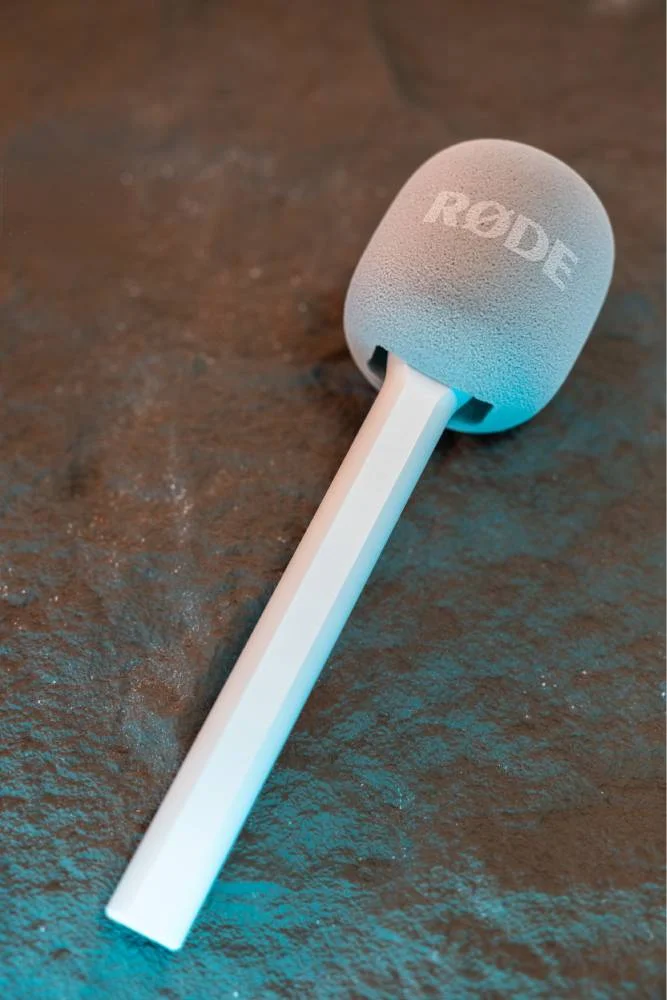
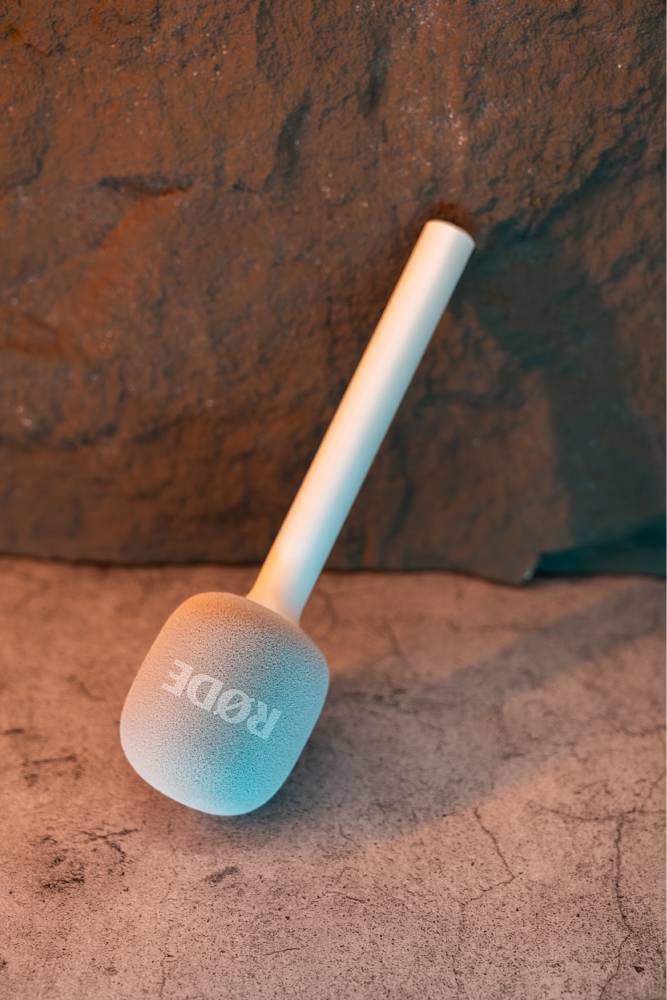
The Interview GO is not intended to replace professional broadcast handheld transmitters. Dedicated ENG microphones with integrated transmitters remain the standard for large-scale production environments.
However, this accessory fills a specific gap:
For teams already invested in the Wireless GO ecosystem, this adapter provides flexibility without requiring additional transmitters or handheld systems.
It is important to clarify that the Interview GO does not alter the sound signature of the Wireless GO. Audio quality remains entirely dependent on the transmitter’s built-in omnidirectional condenser microphone.
In controlled indoor environments, results are respectable. When held close to the subject, the audio is clear and suitable for web content, corporate videos, and online publications. However, it does not match the tonal depth or presence of a dedicated handheld reporter microphone.
In outdoor conditions, the included foam windshield provides basic protection against wind and plosives. In moderate wind, some noise may still be present. For demanding outdoor environments, additional wind protection may be necessary.
The most noticeable drawback is cosmetic rather than functional. The foam windshield features a prominent RODE logo on both sides. For productions where branding must remain neutral or discreet, this may not be ideal—particularly when the microphone appears prominently on camera. Beyond that, limitations are largely inherent to the Wireless GO system itself rather than the adapter.
The Interview GO retails for approximately $29 USD. Considering it contains no electronics, some may view this as a premium for a simple adapter. However, it is reasonably priced relative to the flexibility it offers existing Wireless GO users.
For those who already own the Wireless GO, the cost of entry is low compared to purchasing a dedicated handheld wireless system.
The RODE Interview GO is a focused accessory designed to extend the usability of the Wireless GO platform. It delivers exactly what it promises: a secure, lightweight handheld solution built around an existing transmitter.
It does not transform the Wireless GO into a broadcast-grade reporter microphone, nor is it intended to. Instead, it offers a practical alternative for interviews where a traditional handheld format is preferred over a clip-on lavalier.
For content creators, corporate teams, and solo journalists seeking added flexibility without investing in additional hardware, the Interview GO represents a cost-effective and functional addition to the kit.
Also Read: RODE Wireless Micro Camera Kit Review

TOZO NC9 Pro review: We test its adaptive ANC, LDAC audio, touchscreen case, Bluetooth 6.0, sound quality, battery life and everyday performance.
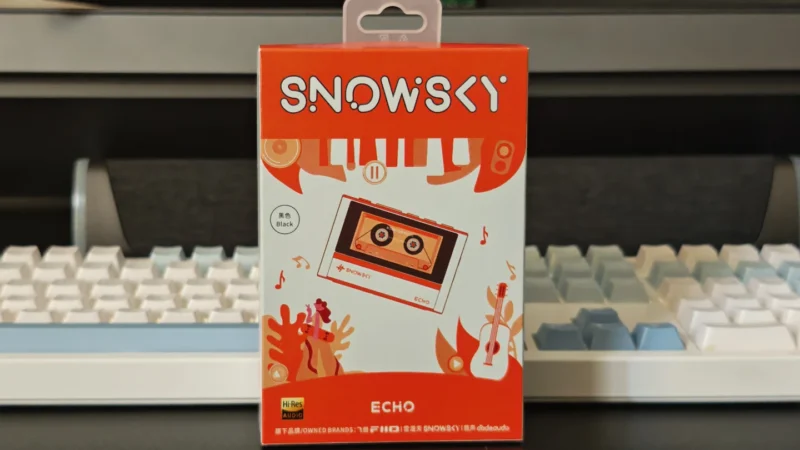
Our Snowsky ECHO review examines its sound quality, build, 4.4mm balanced output, battery life, Bluetooth, USB DAC features and overall value.
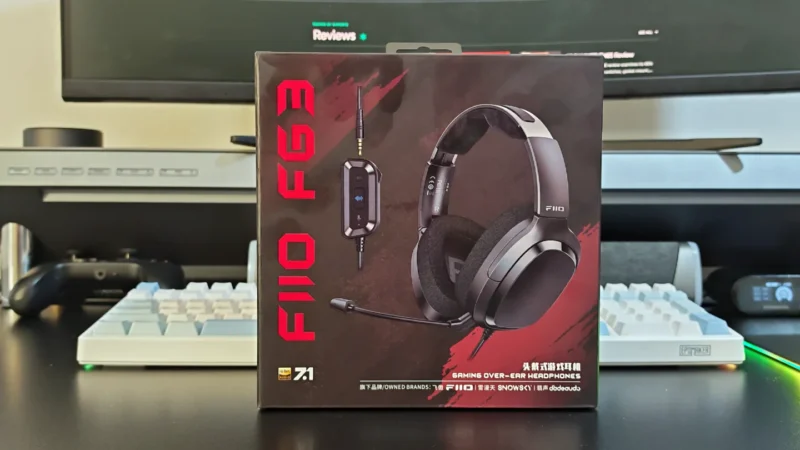
FiiO FG3 Review: an interesting first attempt at a gaming headset from a company with a strong background in personal audio.
 Joshua James