
Kiwi Ears Stardust Review: Comfortable Hybrid IEMs With a Distinct Sound Signature
Our Kiwi Ears Stardust review examines its hybrid drivers, sound quality, comfort, gaming performance and value at around $77.
Our 7Hz Sonus II review examines its hybrid dynamic and planar drivers, sound quality, comfort, design and value for money.
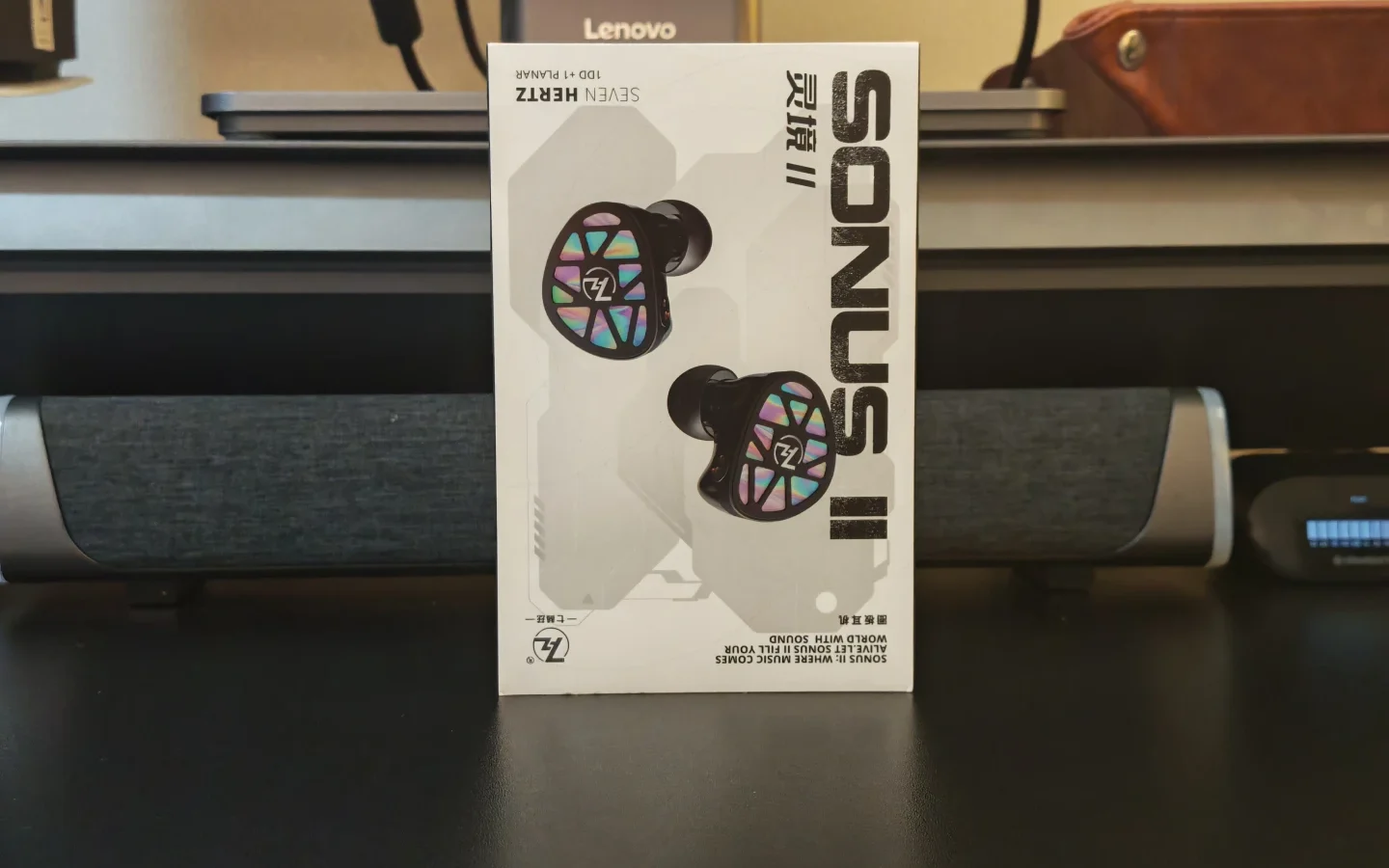
The 7Hz Sonus II is the second generation of the brand’s Sonus in-ear monitor (IEM) lineup. It builds on the original model with a hybrid driver configuration, combining a dynamic driver with a micro-planar driver to handle different parts of the audio spectrum. Positioned in the affordable audiophile segment at around US$79, it aims to offer a detailed listening experience without moving into more expensive multi-driver territory.
We spent time evaluating its design, comfort and sound performance, focusing on how it handles different music genres and everyday listening. The Sonus II has an interesting approach to tuning, with controlled bass, a relatively balanced midrange and an energetic treble response. However, some design and tuning choices may not appeal to everyone.
The 7Hz Sonus II features transparent resin housings paired with aluminium faceplates. The faceplates incorporate a decorative metal mesh over a mother-of-pearl-style finish, creating a layered appearance that reflects light differently depending on the viewing angle. The transparent sections also reveal parts of the internal driver arrangement, giving the earphones a distinctive look.
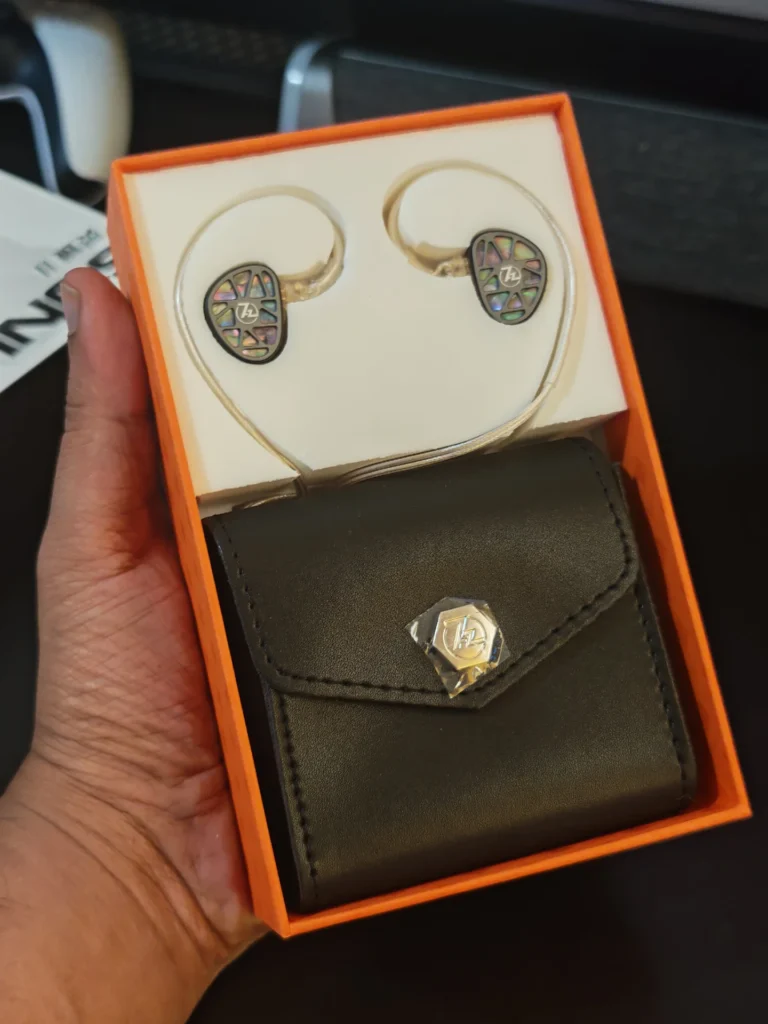
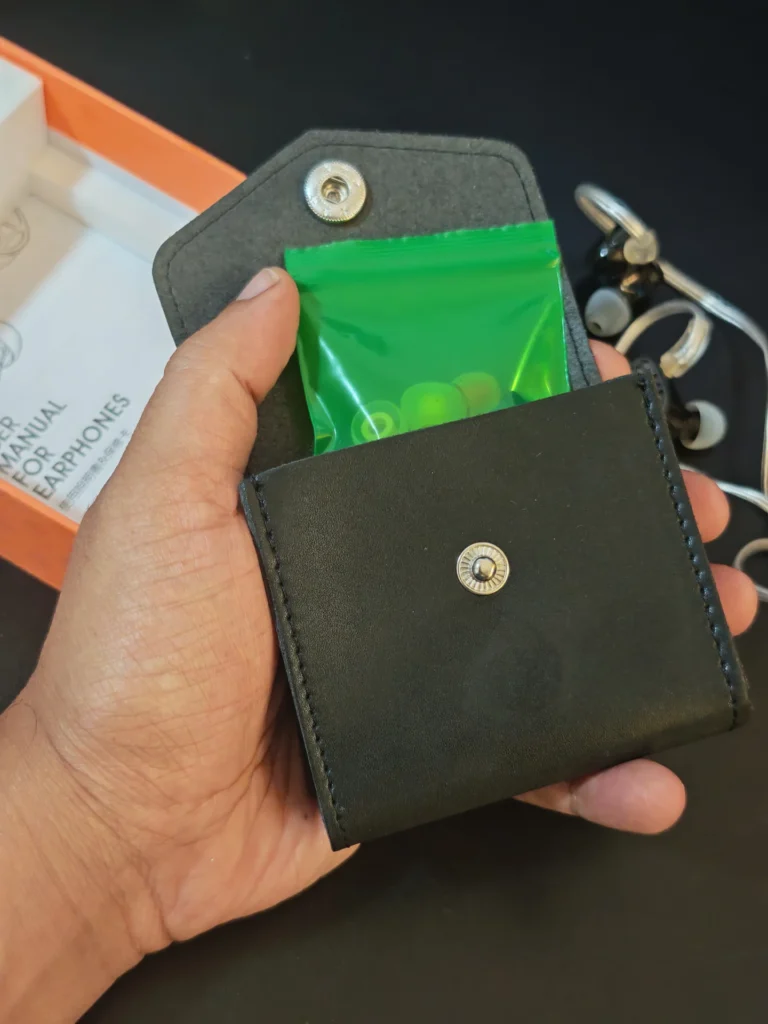
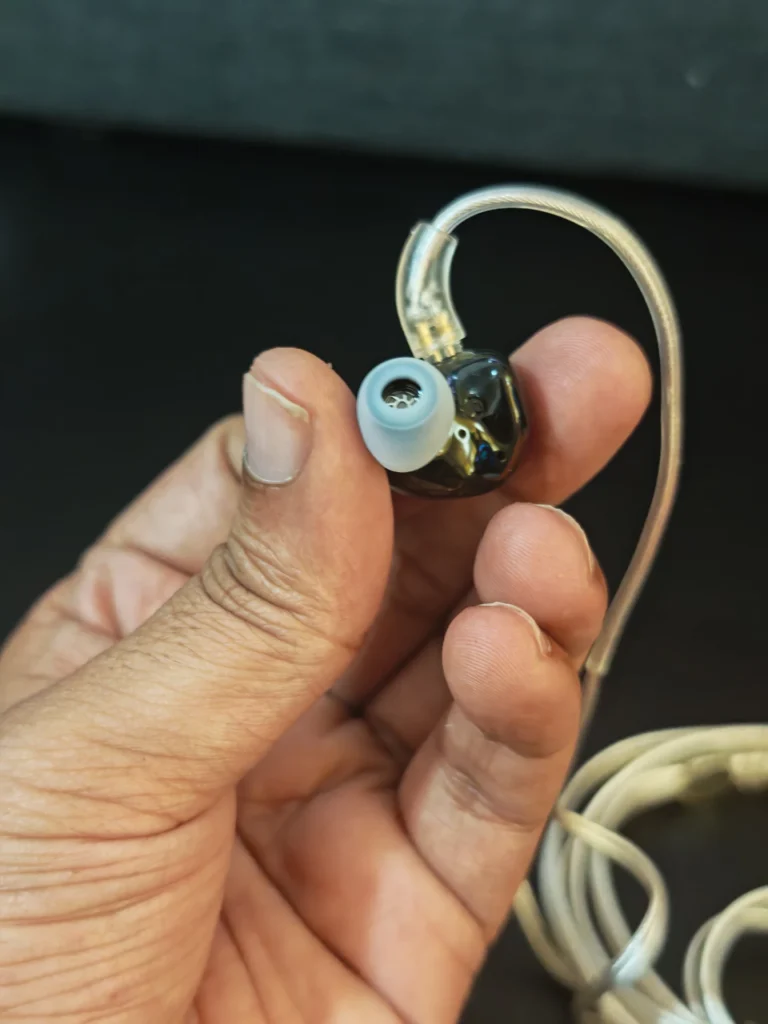
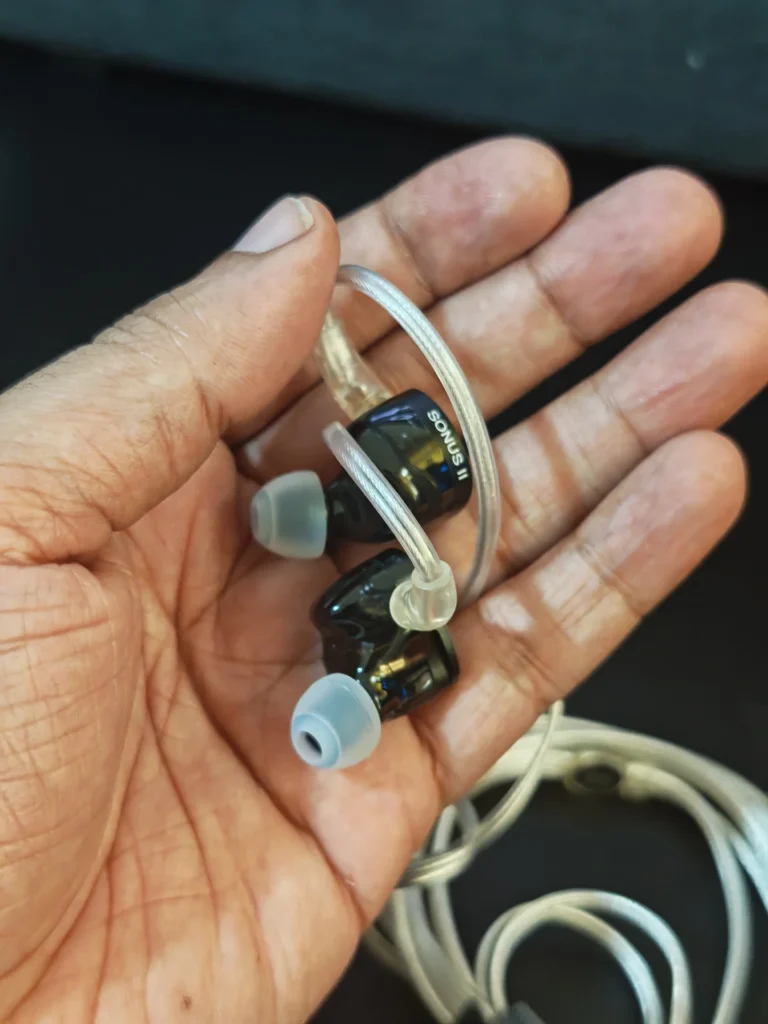
The overall construction feels solid for this price category. The shells are slightly thicker than those of the original Sonus, accommodating the revised internal driver configuration, but their ergonomic contours help maintain a comfortable fit. The angled nozzles sit securely in the ears, and we found them comfortable enough for extended listening sessions.
One of the more unusual design choices is the flat ribbon-style cable. It has an ivory-white finish, silver-plated copper conductors and a relatively simple appearance. While it is functional and handles reasonably well, its flat construction may not be everyone’s preference. The transparent connector details are a nice touch, although we would have preferred a more conventional braided cable.
The included carrying pouch is soft and useful for keeping the earphones together, but it offers limited protection against crushing or heavy impacts. The faceplate mesh may also require occasional cleaning, as its open design could collect dust and skin oils over time.
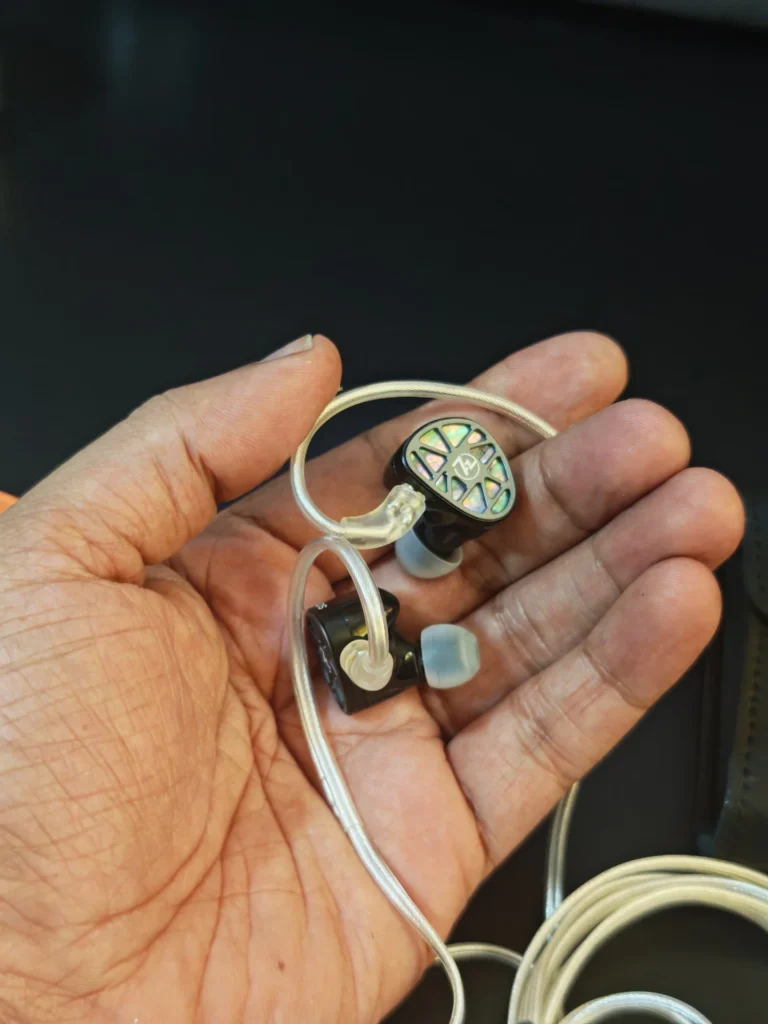
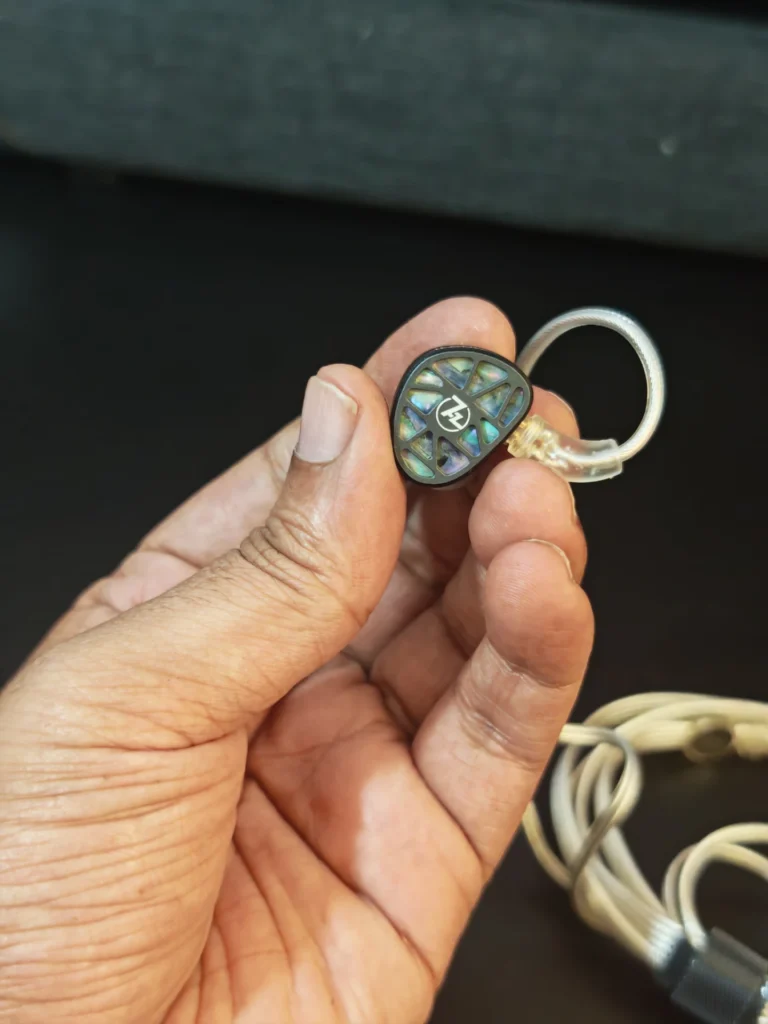
Overall, the Sonus II feels well assembled, with comfort and visual design receiving more attention than some of its accessories.
The main highlight of the 7Hz Sonus II is its hybrid driver arrangement. It combines a 10mm dynamic driver with a micro-planar driver, allowing each driver type to handle different aspects of audio reproduction.
The dynamic driver is responsible for the lower frequencies, while the planar driver handles the higher frequencies. This configuration is intended to combine the physical impact of dynamic-driver bass with the faster transient response associated with planar technology.
Other key specifications include:
The package includes multiple silicone ear tips with different bore sizes, allowing users to experiment with fit and acoustic response. Finding the right ear tips is particularly important with IEMs, as a proper seal directly affects bass response, isolation and overall listening comfort.
The Sonus II does not require an elaborate desktop audio setup to operate. It can be connected to compatible smartphones, laptops and portable DACs through its 3.5mm connection. However, a good-quality DAC or headphone amplifier can provide additional headroom and help maintain consistent performance across different sources.
The 7Hz Sonus II follows a tuning approach that sits close to the Harman target through much of the frequency range, with a slight reduction in the upper midrange. This helps keep vocals and instruments clear without introducing excessive forwardness or the shoutiness that can sometimes affect similarly tuned IEMs.
The overall presentation is relatively balanced, with enough warmth and energy to make different music genres enjoyable. It is not designed specifically for bass-heavy listening, nor does it have an excessively bright sound signature.
The dynamic driver delivers a controlled low-frequency response with good depth and definition. Sub-bass has sufficient extension to reproduce electronic music, cinematic effects and deeper bass notes with a satisfying sense of rumble.
Mid-bass provides a reasonable amount of punch for rock, pop and electronic tracks. Bass guitars remain audible and well defined, while kick drums have enough impact to maintain the rhythm without dominating the rest of the presentation.
What stands out is the control. Bass notes are relatively tight, and there is little noticeable bleed into the midrange. Listeners who prefer a strong, prominent bass response may find the Sonus II somewhat restrained, but those looking for a cleaner and more balanced presentation should appreciate its approach.
The midrange is one of the Sonus II’s stronger areas. Vocals sit comfortably forward in the mix, with male and female voices retaining good clarity and natural note weight.
There is enough warmth to prevent vocals from sounding thin, while acoustic instruments, guitars and pianos maintain a convincing tonal balance. The presentation is neither overly thick nor particularly lean.
The slightly reduced upper-midrange emphasis also helps control vocal intensity. Female vocals and electric guitars remain clear without becoming excessively sharp or aggressive. This makes the Sonus II suitable for longer listening sessions, particularly with vocal-focused music.
Instrument separation is another positive aspect. Even when listening to more complex recordings, individual elements remain reasonably easy to distinguish.
The micro-planar driver handles the higher frequencies, contributing to the Sonus II’s sense of detail and transient response.
Treble is generally relaxed, although there is some added energy around the 8kHz region. This gives cymbals, percussion and other high-frequency elements a little extra presence without making the overall presentation excessively bright.
The planar driver also provides quick attack and decay, helping reproduce rapid percussion and string details with good definition. High-frequency elements sound crisp, and there is sufficient extension to give recordings an open presentation.
However, the treble is not entirely free from limitations. Listeners who are particularly sensitive to upper-frequency peaks may notice some sharpness on brighter recordings or poorly mastered tracks. The overall tuning remains relatively controlled, but those who prefer a completely smooth or dark treble response may want to consider this before purchasing.
For an IEM in this price category, the Sonus II offers a reasonably wide soundstage. Instruments have a good sense of separation, and recordings do not feel overly confined.
Imaging is also quite precise, making it easier to identify the placement of individual instruments and sound effects. This contributes to an enjoyable experience when listening to orchestral recordings, live performances and tracks with multiple overlapping elements.
The technical performance is particularly noticeable in the treble, where the planar driver helps reproduce quick transients and smaller recording details. Complex tracks generally remain well organised without becoming noticeably congested.
The Sonus II can also be used for gaming, particularly where positional audio and general spatial awareness are important. However, players who prioritise hearing subtle footsteps in competitive first-person shooters may prefer an IEM with more emphasis in the upper presence region.
The 7Hz Sonus II is a conventional wired IEM and does not require a dedicated companion application. There are no Bluetooth controls, equaliser presets or firmware settings to configure.
Connectivity is handled through a detachable 0.78mm two-pin cable with a standard 3.5mm termination. This makes it compatible with devices that offer a traditional headphone output, as well as external USB DACs and portable audio players.
Its official specifications list an impedance of 29 ohms and sensitivity of 108dB/V at 1kHz. It can reach usable listening levels with compatible everyday devices, although a quality DAC or amplifier can provide a cleaner signal and additional output headroom. A dedicated amplifier is not an essential purchase for most listeners.
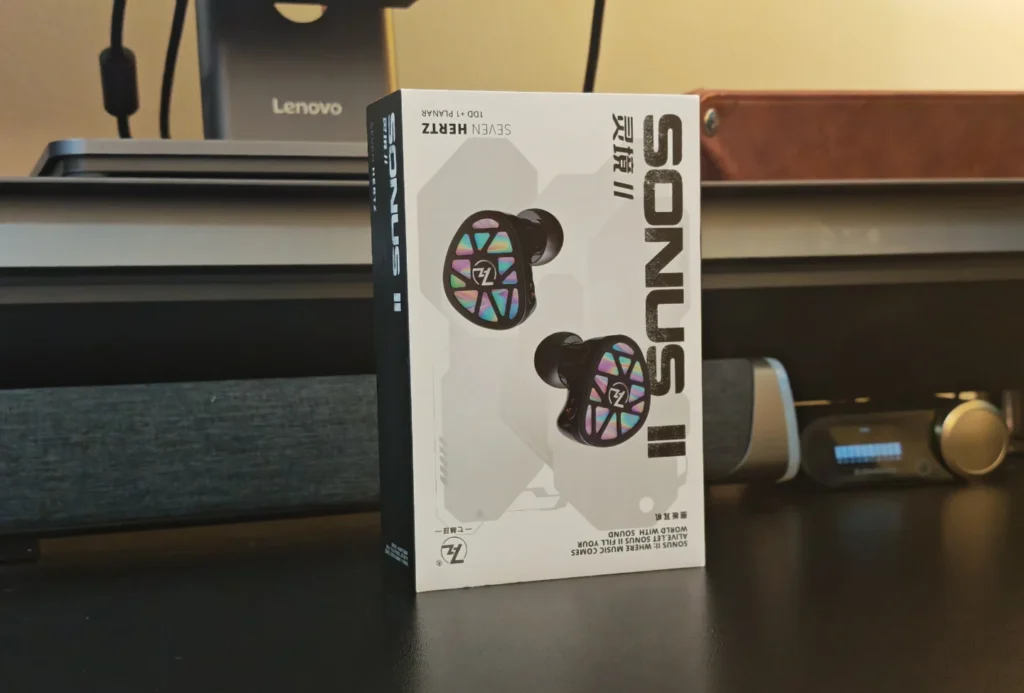
At approximately US$79.99, the 7Hz Sonus II enters a competitive segment where several manufacturers offer hybrid driver configurations and increasingly capable single-driver alternatives.
Its combination of a dynamic driver and micro-planar driver gives it an interesting technical foundation. More importantly, the tuning is generally cohesive, with controlled bass, clear vocals and sufficient treble detail to keep music engaging.
The build quality, detachable cable and selection of eight pairs of silicone ear tips also make the package practical for everyday use. However, the included carrying pouch could offer better protection, and the cable design may not appeal to everyone.
It is also worth considering that the Sonus II is not necessarily the right choice for listeners who want powerful bass or an especially smooth, relaxed treble response. Its strengths lie in balance, separation and detail rather than delivering an exaggerated sound signature.
For listeners moving into wired audiophile earphones, it offers a reasonable combination of construction, comfort and sound performance at its asking price.
The 7Hz Sonus II is a well-rounded hybrid IEM that builds on the original Sonus with a combination of dynamic and planar drivers. Its strongest qualities are its controlled bass response, natural midrange, comfortable fit and capable technical performance.
We particularly appreciate the way it handles vocals and instrument separation. The slightly restrained upper midrange also makes it easier to listen to across different genres without introducing excessive harshness.
There are a few compromises. The cable design is unconventional, the carrying pouch offers limited protection, and the treble may occasionally sound sharp to listeners who are sensitive to higher frequencies. Bass enthusiasts may also prefer something with greater low-frequency emphasis.
Nevertheless, the Sonus II offers a balanced listening experience at an accessible price. It is worth considering for listeners who prioritise clarity, detail and comfort over an exaggerated bass response.
Also Read: Kiwi Ears Stardust Review: Comfortable Hybrid IEMs With a Distinct Sound Signature


Our Kiwi Ears Stardust review examines its hybrid drivers, sound quality, comfort, gaming performance and value at around $77.
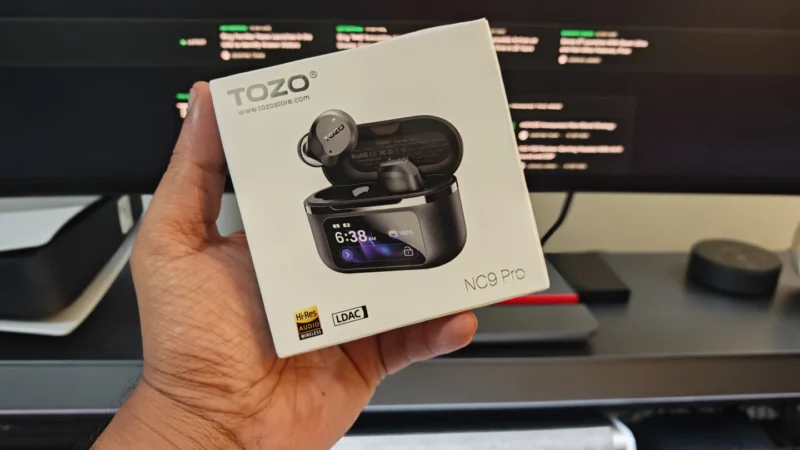
TOZO NC9 Pro review: We test its adaptive ANC, LDAC audio, touchscreen case, Bluetooth 6.0, sound quality, battery life and everyday performance.
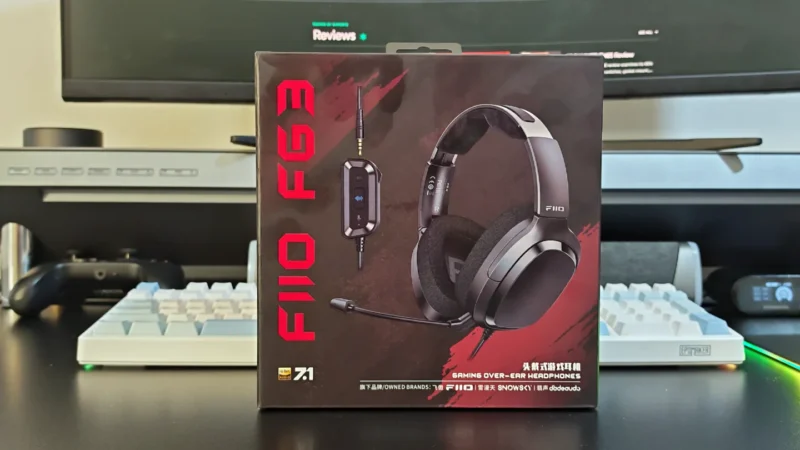
FiiO FG3 Review: an interesting first attempt at a gaming headset from a company with a strong background in personal audio.
 Joshua James