
HONOR Middle East smartphone growth: Only Smartphone Brand Growing in the Middle East in H1 2026
HONOR Middle East smartphone growth: 35% in the Middle East in H1 2026, per Omdia, becoming the region's No. 2 smartphone brand.
A channel manager is a sophisticated tool that has become essential for businesses seeking to maintain a competitive edge.

In today’s fast-paced and interconnected business environment, the need for streamlined operations and efficient distribution strategies is paramount. As companies expand their reach, whether in hospitality, retail, or other sectors, they face the challenge of managing multiple distribution channels. This is where the concept of a channel manager comes into play. A channel manager is a sophisticated tool that has become essential for businesses seeking to maintain a competitive edge, ensuring that their products or services are consistently available to their target audience through various channels.
A channel manager is essentially a software solution that allows businesses to manage their distribution channels more effectively. It acts as a central hub from which a company can oversee and control the distribution of its products or services across multiple platforms. By synchronizing inventory, prices, and bookings in real-time, a channel manager minimizes the risk of overbooking or overstocking, thus enhancing operational efficiency.
The use of a channel manager is particularly significant in industries where distribution is complex and multifaceted. For instance, in the hospitality sector, hotels utilize channel managers to manage room availability and pricing across various online travel agencies and booking platforms. In retail, these tools are invaluable for ensuring that products are consistently available across different e-commerce websites and physical stores.
To fully leverage the potential of a channel manager, businesses need to understand the features that characterize an effective solution. These typically include:
Over the years, channel managers have evolved significantly, transitioning from basic tools to sophisticated systems equipped with advanced features. As technology continues to advance, so too does the functionality of channel managers, offering businesses new ways to optimize their operations.
Before the advent of channel managers, businesses had to rely on manual methods to manage their distribution channels. This often led to inefficiencies and errors, such as double bookings or outdated inventory levels. The introduction of channel managers automated many of these processes, providing businesses with a more reliable and efficient way to manage their operations.
Modern channel managers are increasingly integrating with emerging technologies, such as artificial intelligence and machine learning, to enhance their capabilities. These technologies enable channel managers to predict trends, optimize pricing strategies, and even personalize customer experiences.
Despite their numerous benefits, businesses may encounter several challenges when implementing a channel manager. Understanding these challenges is crucial for maximizing the tool’s effectiveness.
One of the primary challenges businesses face is ensuring that the channel manager integrates seamlessly with their existing systems. Compatibility issues can hinder the effectiveness of the tool and may require additional investment in technology or infrastructure.
As channel managers handle sensitive data, businesses must prioritize data security and privacy. Ensuring that the channel manager adheres to industry standards and regulations is critical for protecting customer information and maintaining trust.
Implementing a channel manager can involve significant costs, particularly for small and medium-sized businesses. It’s essential to weigh the potential benefits against the costs and ensure that resources are allocated effectively.
As the business landscape continues to evolve, so will the role and capabilities of channel managers. Emerging trends and technologies are set to shape the future of these tools, offering businesses new opportunities to optimize their distribution strategies.
With consumers increasingly seeking personalized experiences, future channel managers will likely incorporate more features to cater to this demand. By leveraging data analytics and AI, businesses can use channel managers to tailor their offerings and improve customer satisfaction.
As businesses seek to expand into new markets, channel managers will play a crucial role in facilitating this growth. By providing insights into market trends and consumer behavior, these tools can help businesses identify and capitalize on new opportunities.
In conclusion, channel managers have become indispensable tools for businesses navigating the complexities of modern distribution. By understanding their features, challenges, and future potential, companies can harness the power of channel managers to drive growth and success in an increasingly competitive landscape.


HONOR Middle East smartphone growth: 35% in the Middle East in H1 2026, per Omdia, becoming the region's No. 2 smartphone brand.

Adopting mobile technology tools for your business finances is a key step toward building a more agile, efficient, and strong operation.
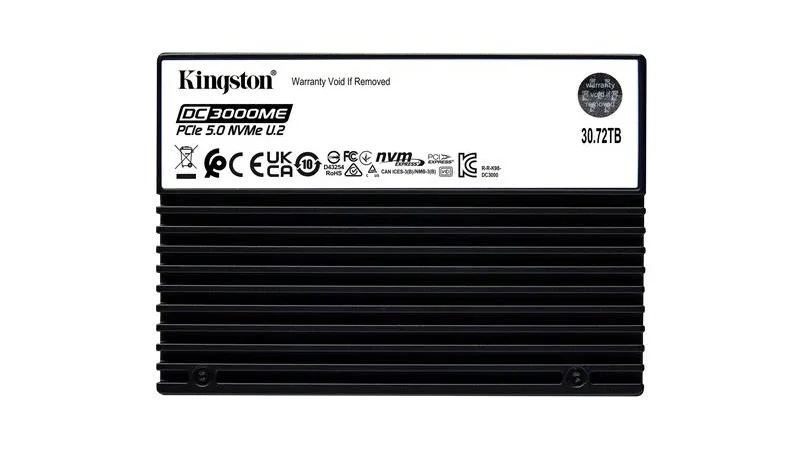
Kingston DC3000ME Gen5 U.2 NVMe SSD in a new 30.72TB capacity, up to 14GB/s sequential read speeds, 2.8 million IOPS for AI, HPC, and cloud data centre.
 GDGTME Team
 Joshua James